
- calendar_today April 25, 2026
Remote Monitoring in Homes: Regional Data Analysis
Explore regional data analysis on remote home monitoring solutions. As technology continues to evolve, understanding how different areas adopt these monitoring systems can help you make informed decisions about home safety and automation. In this article, you’ll discover key insights into how geographic factors influence the popularity and effectiveness of remote monitoring solutions.
Understanding Remote Monitoring
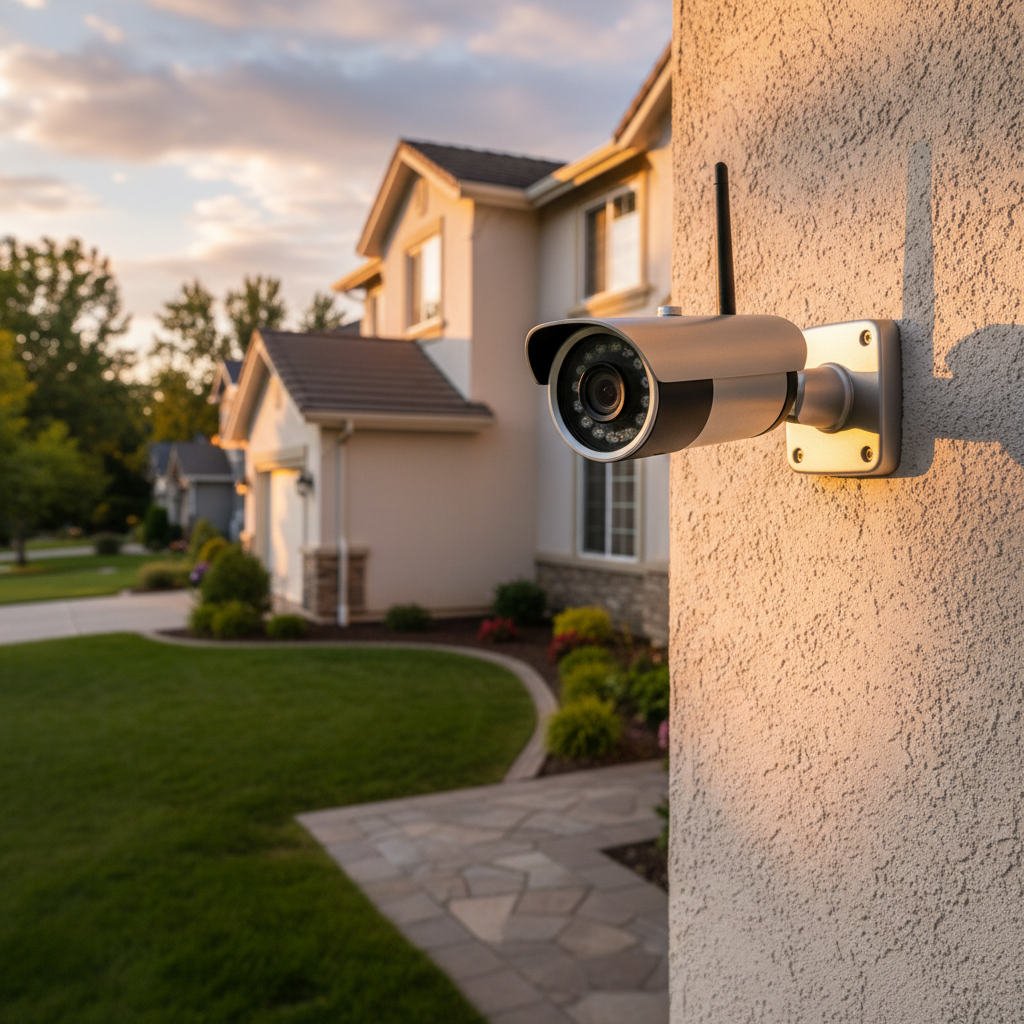
Remote monitoring refers to the technology that allows homeowners to oversee their properties from a distance, using devices connected to the internet. These typically include security cameras, motion sensors, smoke detectors, and smart locks. As a homeowner, the choice to invest in a remote monitoring system often hinges on your region’s specific needs.
The Rise of Home Automation
Over the past decade, the adoption of smart home technology has surged. According to a report from the Statista, the number of smart homes worldwide is projected to double by 2025. This increase is driven by enhanced connectivity and consumer demand for convenience and security. You might wonder how this trend breaks down by region and what factors influence these shifts.
Regional Trends in Remote Monitoring Adoption
Adoption rates for remote home monitoring systems vary significantly across different regions. A recent survey by NPST highlighted that urban areas generally show higher adoption rates compared to rural locales, primarily due to better internet infrastructure and a greater focus on security concerns.
Urban vs. Rural Areas
In urban settings like New York City and Los Angeles, remote monitoring systems have become essential for many homeowners. Research from the Pew Research Center indicates that about 73% of urban residents have installed some form of remote monitoring. On the other hand, rural areas face unique challenges, such as limited internet bandwidth and a more laid-back attitude toward home security, leading to an adoption rate closer to 45%.
Demographic Influences on Remote Monitoring Adoption
Your age, income, and lifestyle can also significantly impact how or whether you decide to implement remote monitoring solutions. For example, millennials are leading the charge in smart home technology, with approximately 54% of people aged 18-34 having installed smart home devices compared to only 28% of those aged 55 and older.
Income Brackets and Adoption Rates
Income levels also play a crucial role. A report from Kelley Blue Book revealed that households earning over $100,000 are nearly twice as likely to adopt home automation solutions compared to those earning less than $50,000. This disparity often arises from affordability concerns and understanding the long-term value of such investments.
Ethnic and Cultural Influences
Beyond economic factors, cultural attitudes towards security and technology can shape preferences. For example, communities with higher levels of crime often prioritize security and may adopt remote monitoring solutions at higher rates. A study by Bureau of Justice Statistics indicated that urban ethnic neighborhoods were 20% more likely to invest in home security systems than their suburban counterparts.
Adoption by Region
Here’s a quick look at adoption rates based on region:
- West Coast: 60% adoption due to tech-savvy populations and high disposable income.
- Midwest: 50% driven by dual-income households seeking convenience.
- South: 45% where cultural attitudes towards technology vary significantly.
- Northeast: 55%, largely urbanized environments contributing to higher installation rates.
The Role of Internet Infrastructure
One crucial factor determining the success of remote monitoring systems is internet infrastructure. States like California and New York, with robust broadband networks, report adoption rates exceeding 65%. Contrarily, states with weaker internet connections, such as many in the Midwest and South, report significantly lower adoption rates.
Future Enhancements and Considerations
Companies like Home Depot are committed to enhancing the availability of these technologies, focusing on increasing access to high-speed internet in underserved areas. As internet access continues to expand, it’s reasonable to expect that adoption rates will rise correspondingly.
Statistical Insights and Case Studies
To further illustrate how regional nuances shape remote monitoring behaviors, let’s consider some case studies. For example, in San Francisco, pilot programs revealing data from remote monitoring installations showed a notable reduction in property crime—down 30% over two years. Similar statistics out of Chicago highlight that adding smart locks and surveillance systems leads to significant safety improvements.
The Data-Driven Approach
Utilizing a data-driven approach helps you understand what works best in your specific region. By looking into crime statistics, internet accessibility, and demographic trends, you can tailor your remote monitoring choices to fit your environment effectively.
Conclusion: Making an Informed Decision
Understanding the regional data on remote monitoring can empower you to make informed decisions about home safety. Whether you live in a bustling city or a serene rural area, weighing factors such as demographics, internet infrastructure, and local culture is crucial. By doing so, you’ll not only enhance your property’s security but also ensure that your investment truly pays off.
So, are you ready to explore remote monitoring solutions more actively? The data shows that taking this step can significantly enhance your peace of mind.


