
- calendar_today October 11, 2026
Introduction: Recent Botched Execution Sparks Worry
The failed execution of Christa Pike in Tennessee has caused anxiety among inmates on Nevada's death row at High Desert State Prison. Christa Pike, 50, survived two lethal doses of pentobarbital in September after a possible IV line failure, leaving her initially unconscious and on a ventilator before regaining consciousness. Her case is being closely watched by prisoners like Pedro Rodriguez, who expressed fear of a similar fate.
Nevada’s Lethal Injection Protocol and Inmate Concerns
Nevada has not executed a prisoner in over 20 years, but the state plans to use new drug combinations for lethal injections that have never been used in executions before. The Nevada Department of Corrections (NDOC) has not scheduled any executions at this time, but Clark County District Attorney Steve Wolfson announced in April his intent to seek execution warrants for three inmates. Two requests are on hold pending Nevada Supreme Court rulings, and one request has not been filed. These developments have increased death row inmates' anxiety about the possibility of a botched execution.
Novel Execution Drugs and Methods
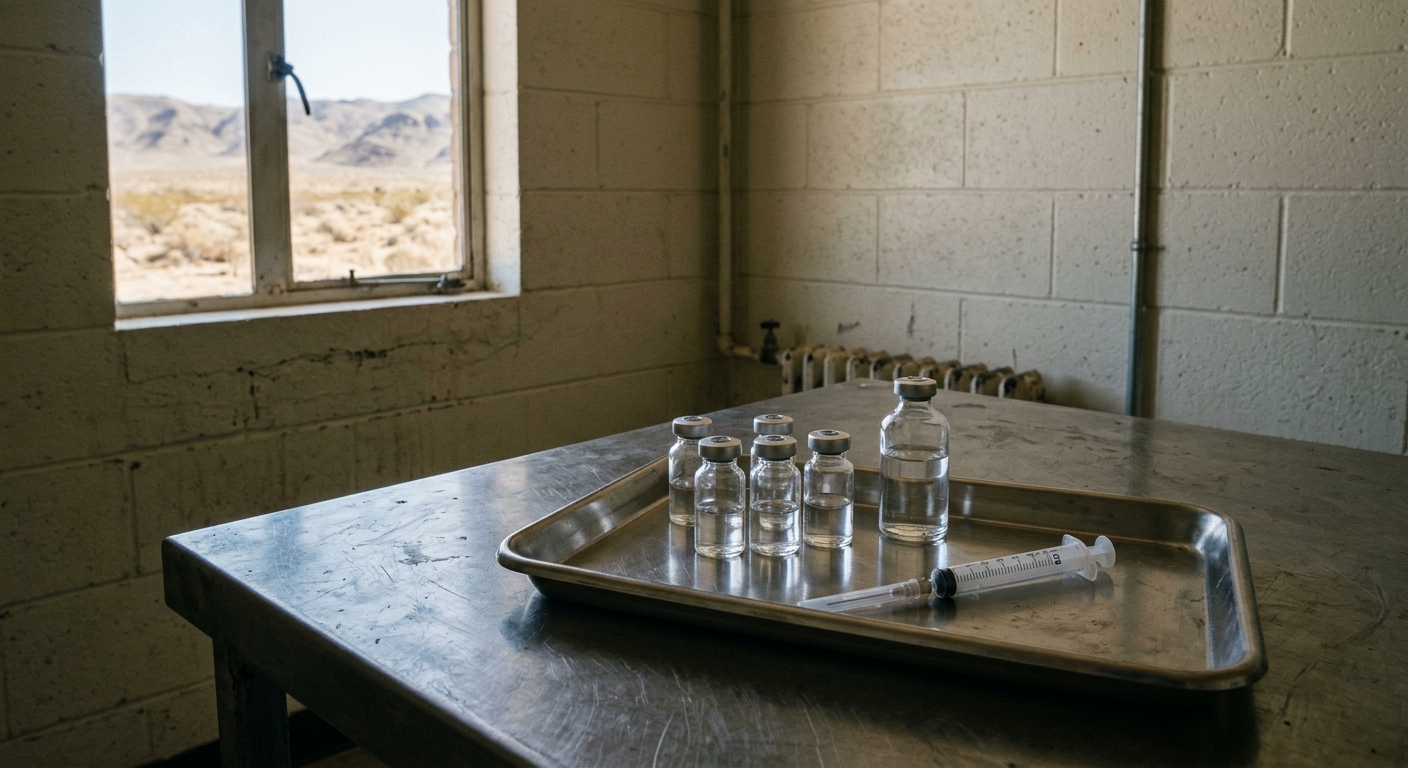
Nevada’s current protocol, filed in 2021, outlines two possible drug cocktails: one using fentanyl or alfentanil, ketamine, cisatracurium, and potassium chloride or potassium acetate; the other omits cisatracurium. Both combinations include drugs never before used together in executions, with state and defense attorneys acknowledging the novelty of fentanyl and the lack of precedent for ketamine in executions. This experimental approach has drawn criticism from legal experts and former Nevada Supreme Court Justice Michael Cherry, who warned that a repeated mistake like Pike's could occur.
Historical Context and New Methods
Over the last 160 years, Nevada employed hanging, shooting, gassing, and poisoning before shifting to lethal injection in 1985. All 12 post-1977 executions used lethal injection, mostly for inmates who had waived their appeals. The last execution, in 2006, involved a three-drug mixture. Recently, states nationwide have struggled to obtain lethal drugs, prompting experimental methods such as Alabama's nitrogen gas execution in 2024 and Idaho authorizing firing squads. Tennessee, where Pike was executed, switched to single-drug pentobarbital injections.
Execution Complications and Past Incidents
Nevada's past executions have not been free from problems. In 1998, it took 25 minutes to find a suitable vein for Roderick Abeyta, and Sebastian Bridges was reportedly conscious when executed in 2001. The Death Penalty Information Center lists Abeyta's death as botched. Opponents argue there is no guaranteed humane method, while others say robust medical support could reduce complications. Despite the failed execution of Pike, some officials, like former Clark County District Attorney David Roger, believe proper procedures can prevent such outcomes.
Legal Disputes and Ongoing Debate
Attorneys for condemned inmates have challenged Nevada's execution protocol, warning of risks such as incomplete anesthesia, conscious suffocation, and pain due to drugs like fentanyl, alfentanil, and potassium chloride. State attorneys counter that the protocol is designed to minimize suffering, relying on the high dosage of anesthetics to ensure death. Medical experts disagree over the predictability and safety of such drug combinations outside clinical settings. Political figures, including U.S. senators, have also expressed concern about the use of untested execution drugs. Meanwhile, Gallup polling in 2025 showed only 52 percent of Americans now support the death penalty.
Conclusion: Continuing Controversy
The Christa Pike case has renewed debate about capital punishment and Nevada's readiness to resume executions. With legal, ethical, and medical uncertainties unresolved, the controversy over execution protocol, drug reliability, and humane treatment is unlikely to subside soon.
Source: reviewjournal.com.


