- calendar_today August 9, 2025
Trade tensions between the United States and China have returned to the spotlight in 2025, and markets are already feeling the weight. While this global standoff might feel distant from the Las Vegas Strip, its ripple effects are reaching into Nevada’s economy—particularly for investors watching sectors like construction, logistics, and energy.
President Donald Trump’s return to the White House has brought back a tough stance on Beijing. A fresh wave of tariffs on Chinese imports has triggered swift retaliation from China, signaling a new phase of trade conflict. And for Southern Nevada, known for its growing economic diversity beyond tourism, these developments are worth a closer look.
What’s Changed in 2025
Earlier this year, the U.S. rolled out a set of broad new tariffs on Chinese imports—some as high as 54%. These cover electronics, vehicle parts, and machinery, among other categories. The goal? Revive domestic manufacturing and curb long-standing trade deficits. But the timing and breadth of these tariffs have made global investors nervous.
China responded quickly:
- 34% Tariffs on U.S. Exports: Effective April 10, these tariffs have raised the cost of American goods entering China. While Nevada isn’t known for heavy exports, local suppliers of building materials and agricultural products that reach international markets may feel the pinch.
- Rare Earth Export Restrictions: China is now limiting the export of rare earth minerals to the U.S.—a move that directly affects industries that rely on high-tech components. For Las Vegas, that means challenges for construction firms using smart building systems, and renewable energy projects that depend on imported parts.
- WTO Complaint: Beijing has also filed a complaint with the World Trade Organization, citing unfair trade practices. Though more legal than economic at this stage, this step adds another layer of uncertainty to already tense relations.
What This Means for Las Vegas
Las Vegas may be known for entertainment and tourism, but its economic profile has been expanding for years. New housing developments, solar power investments, logistics hubs, and light manufacturing all make Southern Nevada more exposed to trade policy shifts than many realize.
Construction and Real Estate
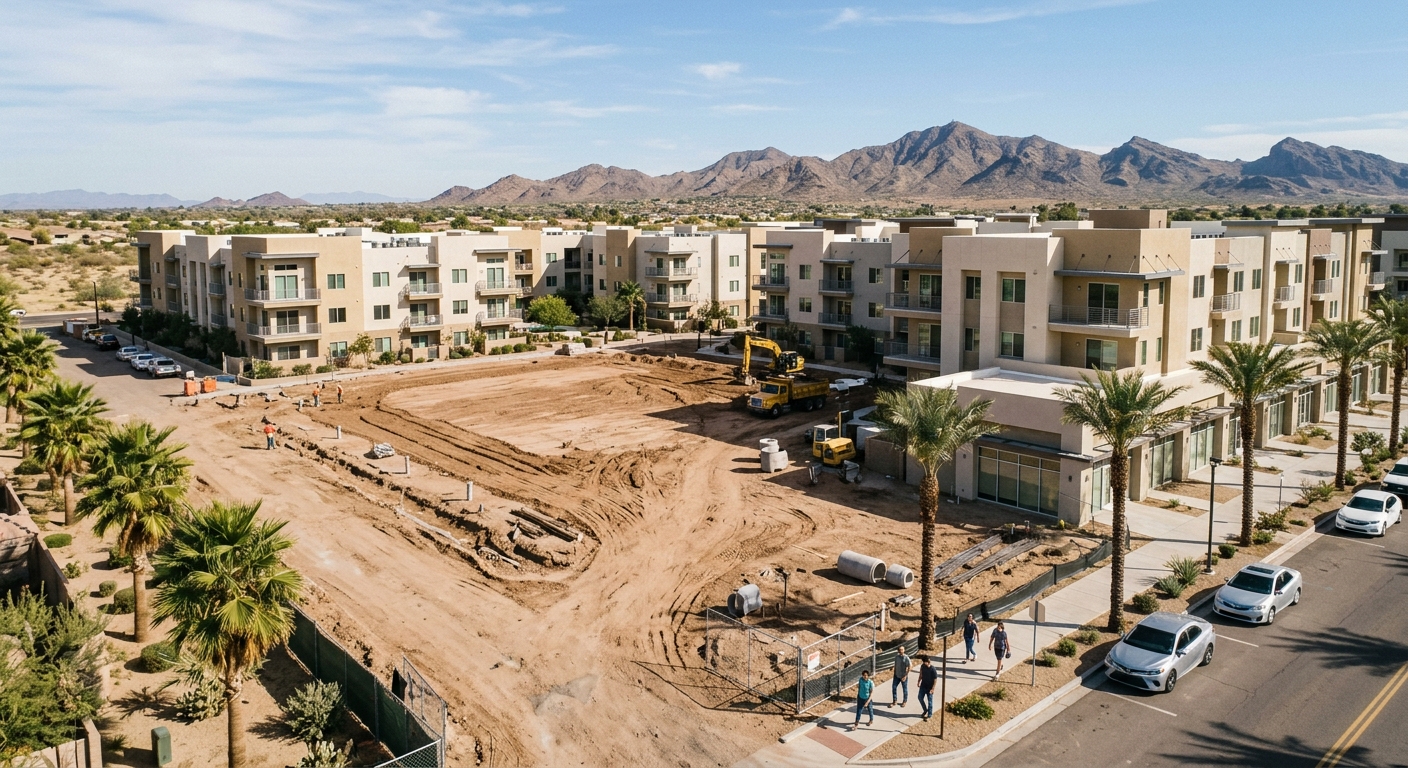
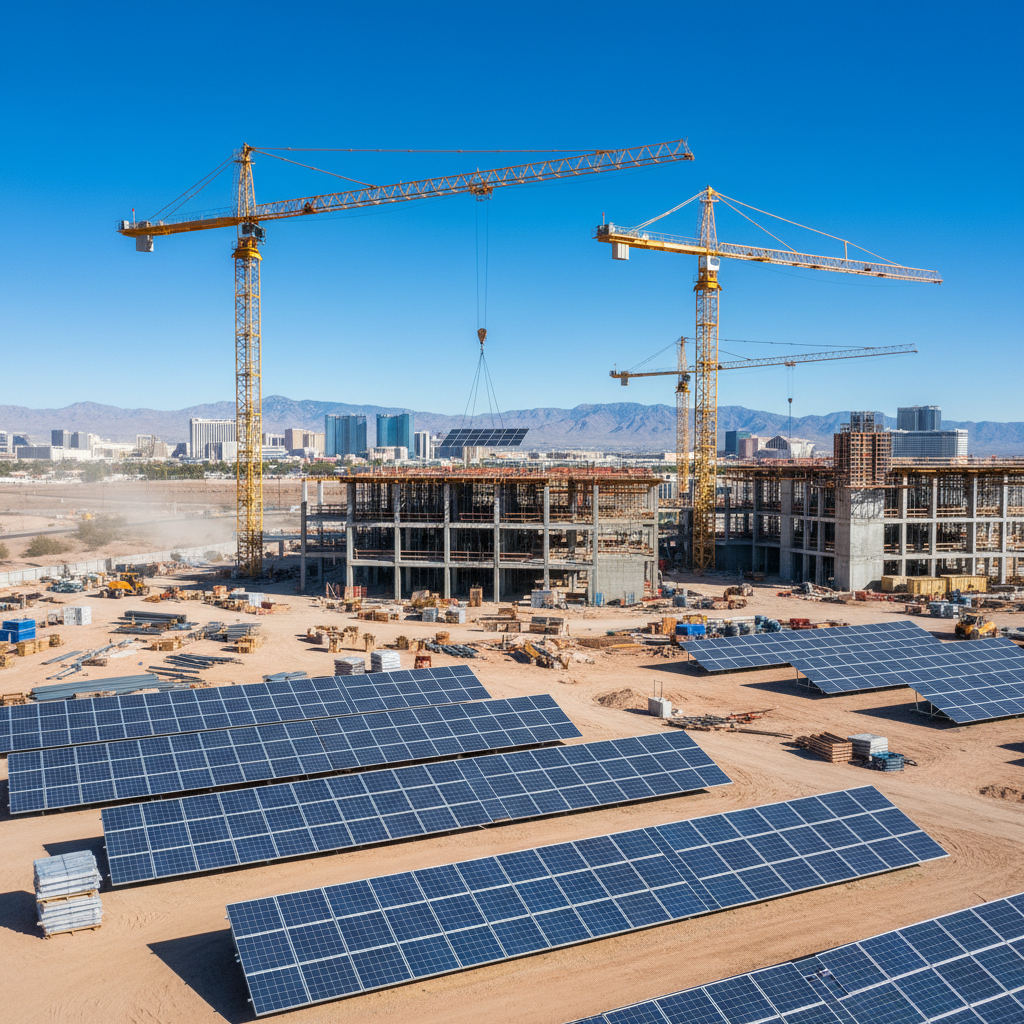
Las Vegas has experienced a steady building boom post-COVID, with residential and commercial projects rising across the valley. However, many building materials—like HVAC components, lighting systems, and solar panels—contain Chinese-made parts. Tariffs could drive up costs and lead to project delays.
Renewable Energy
Nevada ranks among the top states for solar energy, and Las Vegas has embraced solar infrastructure across homes and commercial buildings. Trade limits on rare earth elements, used in battery storage and smart grid systems, could slow expansion plans or make them more expensive.
Logistics and Distribution
With major logistics facilities near North Las Vegas and the I-15 corridor, Nevada is becoming an important distribution link between California and the Mountain West. Disruptions in supply chains or price fluctuations from Chinese imports could affect warehouse operations, shipping schedules, and regional pricing models.
Tourism and Consumer Spending
While not directly hit by tariffs, consumer confidence plays a major role in Las Vegas’s service-driven economy. Prolonged trade battles could make Americans more cautious with spending, which may affect tourism, entertainment, and local businesses.
What Local Investors Should Consider
Navigating uncertainty isn’t new for Las Vegas investors, but this round of trade volatility calls for a few practical steps:
1. Avoid Overexposure to Global Supply Chains
Investments in companies heavily dependent on China—whether for parts, production, or exports—might carry more risk right now. Consider shifting toward firms with more domestic operations or diversified sourcing strategies.
2. Explore Local and Regional Plays
Construction, clean energy, and infrastructure firms with projects in Southern Nevada could benefit from federal reshoring incentives and green energy investments. These sectors might offer more stable returns in the current climate.
3. Keep an Eye on Inflation Hedges
Commodities, real estate investment trusts (REITs), and inflation-protected securities remain solid choices for hedging against the unknowns of global trade. Real estate in particular continues to be a strong local interest, especially with limited housing supply in Las Vegas.
4. Stay Informed, Not Reactionary
Following the news is essential, but reacting emotionally to headlines can lead to poor decisions. Focus on long-term goals, and consider consulting a financial advisor for region-specific insights—especially as policy developments unfold.
Las Vegas may not be on the front lines of international diplomacy, but the city’s economic future is more connected to global trade than ever before. Whether it’s construction timelines, clean tech installations, or consumer confidence on the Strip, what happens between Washington and Beijing will likely be felt here at home.
For investors, the message is clear: stay balanced, stay informed, and think local. While international headlines dominate the news cycle, smart decisions at the regional level can help turn market uncertainty into opportunity.