- calendar_today August 11, 2025
Las Vegas sits at the heart of Nevada’s expanding clean energy revolution, a sector that’s encountering significant turbulence in early 2025. Declines in green energy stock prices nationwide have stirred debate among investors: Is this a rare chance to buy at a discount, or a sign to pause and reassess? Supported by federal programs like the Inflation Reduction Act (IRA) and aggressive state policies pushing renewable energy growth, the Las Vegas investment environment is nuanced and evolving.
Current Market Trends Affecting Las Vegas Investors
In 2025, major green energy stocks have faced steep declines. Tesla (TSLA), a key player in electric vehicles and energy storage, has lost over 45% of its value year-to-date after missing key delivery targets. First Solar (FSLR), with manufacturing and solar project exposure in Nevada, has dropped more than 30%.
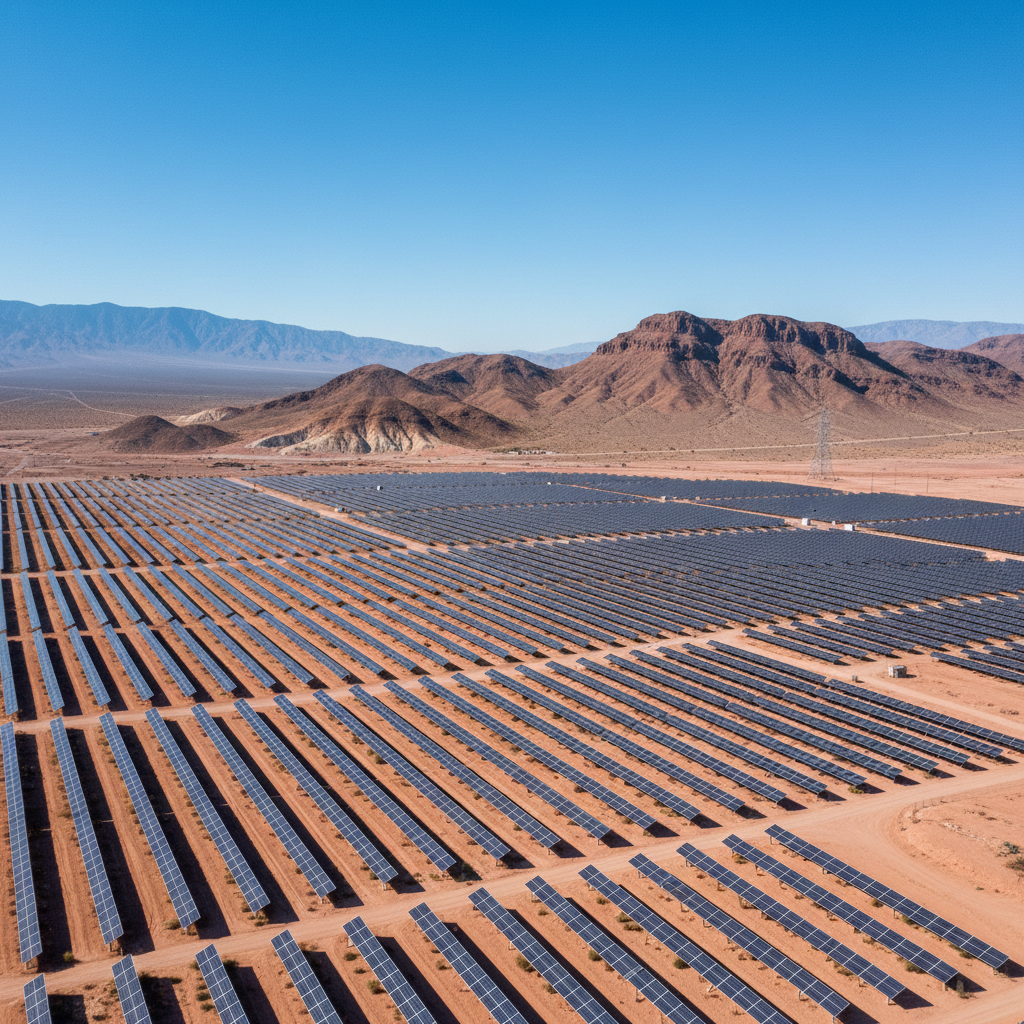
Locally, Nevada Power and NV Energy are driving substantial investments in solar and geothermal projects, including large-scale solar farms in the Las Vegas area and the surrounding desert. Despite these developments, stocks linked to these utilities and suppliers like Enphase Energy (ENPH), a top provider of solar microinverters for residential systems in Las Vegas, have also felt the pressure of market volatility, dropping roughly 29% this year.
This sector’s turbulence reflects a mixture of rising operational costs, supply chain challenges, and investor concerns about profitability amid tightening margins.
Federal and Nevada State Policy Backdrop
The IRA remains a fundamental force behind the clean energy push, offering a 30% Investment Tax Credit (ITC) for solar and wind projects and Production Tax Credits (PTC) for renewable energy output. These credits are critical for financing expansions in solar farms, battery storage, and geothermal energy facilities around Las Vegas.
Nevada has committed to 100% carbon-free electricity by 2050 through its Nevada Energy Policy, with interim goals supporting large renewable projects and energy storage investments. The state is a national leader in geothermal energy, leveraging its volcanic geology to produce stable, clean power, a factor that adds diversification to green energy investments in the region.
However, political debates and upcoming elections in 2025 could create uncertainty around funding and regulatory priorities, which investors must monitor closely.
Economic Influences on Investments
National economic conditions significantly impact renewable energy projects in Las Vegas. The Federal Reserve’s high interest rates—hovering around 4.25–4.5%—have increased borrowing costs, affecting capital-heavy clean energy infrastructure investments.
At the same time, inflation has cooled to 2.8% in March 2025, potentially improving consumer spending and public infrastructure funding in Nevada. Las Vegas, with its growing population and focus on sustainability, stands to benefit if infrastructure investment accelerates.
Investor sentiment remains mixed but cautiously hopeful. Portfolio managers are shifting toward diversified clean energy ETFs as hedges against volatility, a tactic that local investors in Las Vegas should consider given the region’s evolving energy policies.
Performance of Clean Energy ETFs in Las Vegas Context
Broad-based clean energy ETFs like iShares Global Clean Energy ETF (ICLN) and First Trust Clean Edge Green Energy ETF (QCLN) have mirrored the green sector’s fluctuations. ICLN is down roughly 5% year-to-date, while QCLN has dropped near 28%.
Despite these setbacks, both ETFs have delivered solid returns over the past five years. Long-term investors who hold diversified stakes across solar, geothermal, and battery tech are positioned to benefit from Nevada’s growth trajectory.
Expert Opinions on the Market
Industry analysts advise balanced optimism. Jake Moreno, an energy market analyst based in Las Vegas, explains, “Nevada’s unique geothermal resources and solar potential make it a standout, but investors need to remain mindful of market volatility and policy shifts.”
Goldman Sachs downgraded green energy prospects for Q2 2025 due to supply chain concerns and rising project costs—factors relevant to Nevada’s large-scale solar and geothermal projects.
The International Energy Agency forecasts renewables will supply about 42% of U.S. electricity by 2030, with Nevada’s blend of solar and geothermal expected to play an important role.
Should Las Vegas Investors Buy Now?
For investors in Las Vegas, the decision depends heavily on investment horizon and risk tolerance. Those with a long-term outlook (5 to 10 years) may find the current dip a compelling entry point, supported by strong local renewable infrastructure and federal incentives.
Conversely, short-term or risk-averse investors might prefer a cautious approach given high interest rates, political uncertainties, and near-term stock volatility.
Diversification remains key. ETFs like ICLN and QCLN offer exposure to various clean energy technologies, reducing risk while enabling participation in the sector’s growth.
In 2025, green energy investment in Las Vegas is more than a sustainability effort—it’s a financial opportunity influenced by policy, economics, and technology. While early 2025 presents challenges, the long-term outlook for the region’s renewable energy sector remains positive for committed investors.
Ultimately, individual Las Vegas investors must weigh their goals, risk appetite, and timelines against market conditions when deciding to invest in green energy stocks today.