- calendar_today August 14, 2025
Las Vegas real estate in 2025 is navigating a fast-evolving landscape. While national interest rates are stabilizing, Southern Nevada investors are still treading carefully. After years of volatility and explosive migration, the focus has shifted from speculation to strategic, income-producing assets. Location, tenant stability, and local demand trends now drive decision-making across the Vegas Valley.
So which real estate sectors are drawing investor attention? From Henderson to Summerlin to North Las Vegas, seven key property types are standing out. These sectors are not only holding their ground—they’re evolving to meet the unique economic and demographic shifts shaping the Las Vegas metro area.
Multifamily Housing: The Reliable Performer
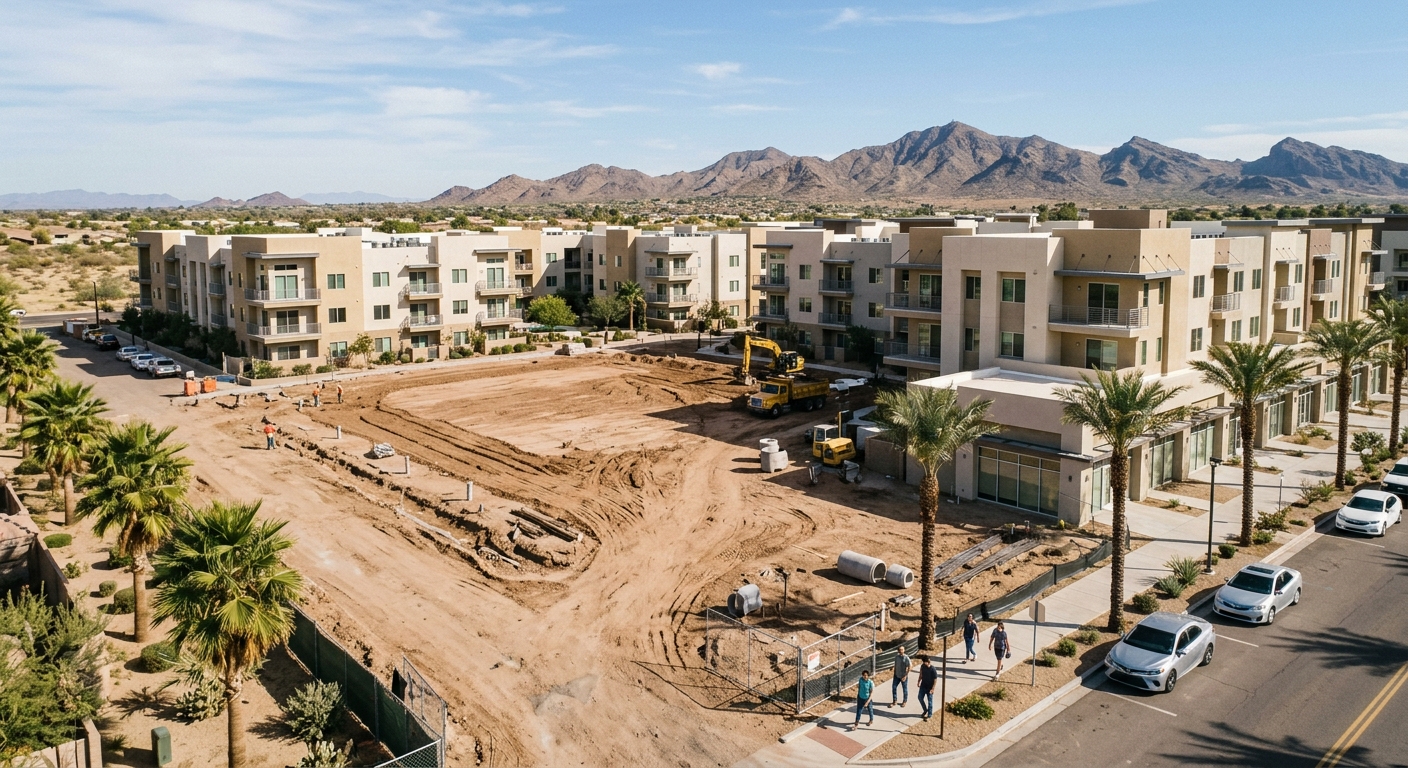
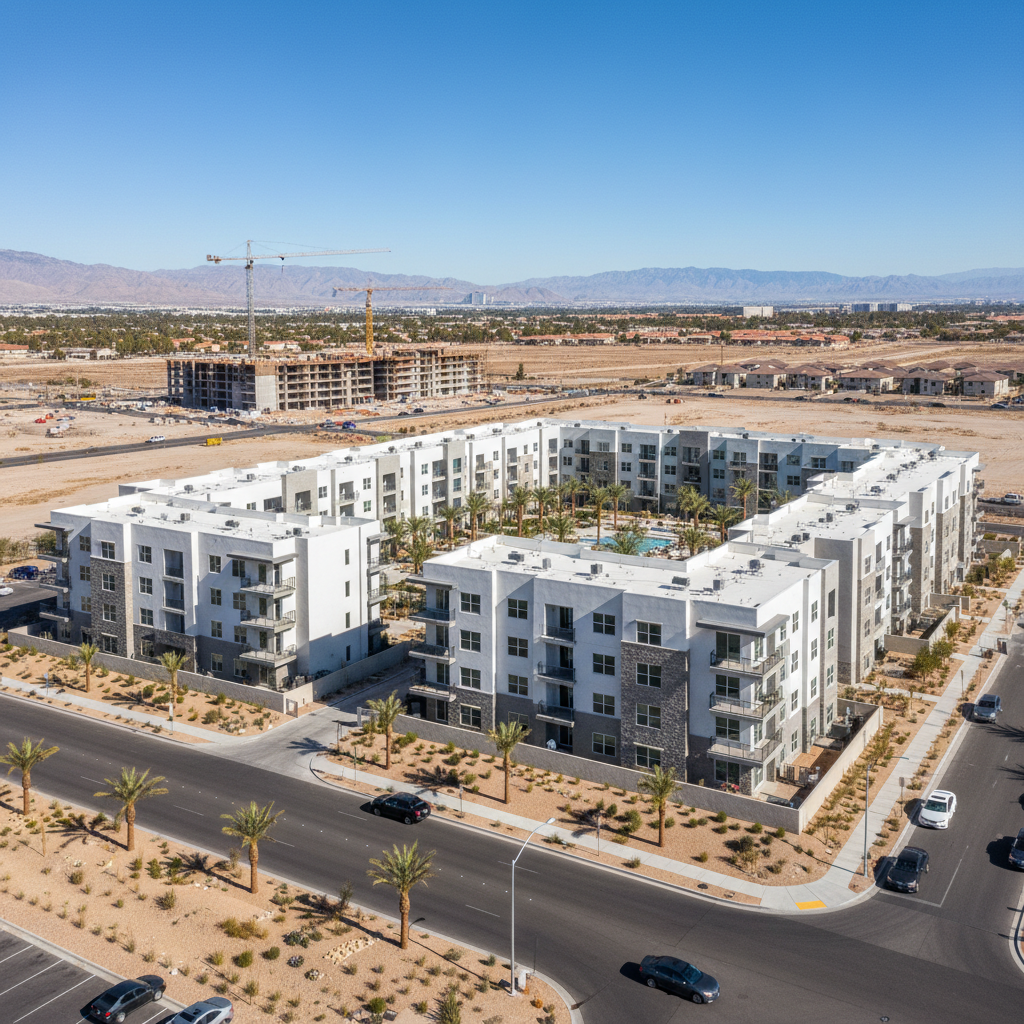
In 2025, multifamily housing remains a solid performer in Las Vegas. With homeownership still out of reach for many locals due to high prices and borrowing costs, Class B and C apartment buildings are filling the gap. Vacancy rates in key neighborhoods like Spring Valley, Paradise, and Centennial Hills are under 5%, according to CBRE’s Las Vegas Q2 report.
Mid-rise buildings and build-to-rent communities are especially popular in areas near job centers and retail hubs. With consistent population growth and steady inbound migration, landlords are seeing rent growth of around 3–4% annually—even in stabilized markets. With proper management and modest upgrades, multifamily continues to offer dependable returns in Vegas.
Industrial Properties: Still a Growth Engine
Industrial real estate is one of Las Vegas’s strongest sectors in 2025. Thanks to its strategic location along key Southwest logistics routes and proximity to California, the Vegas Valley has become a magnet for distribution centers, fulfillment hubs, and cold storage.
JLL reports a 6.8% year-over-year rent increase for industrial space across Las Vegas, with vacancy rates holding below 4%. Hot submarkets include North Las Vegas, Sloan, and the Apex Industrial Park area. E-commerce expansion, along with AI and robotics integration in logistics, is attracting institutional capital and pushing the industrial buildout beyond previous cycles.
Single-Family Rentals in Suburban Markets
Single-family rentals (SFRs) are booming in Las Vegas’s outer suburbs. Rising home prices, economic uncertainty, and changing family dynamics have made renting a detached home the preferred option for many. In neighborhoods like Mountains Edge, Aliante, and parts of Henderson, SFRs are in short supply and high demand.
Roofstock’s 2025 Investor Sentiment Index shows strong appetite for SFR investments in Las Vegas. These homes typically attract long-term tenants, generate less maintenance per unit than large apartment complexes, and command growing rents—especially in areas near good schools and new infrastructure projects.
Migration Trends Fueling Local Development
Las Vegas continues to benefit from strong in-migration—particularly from California, Arizona, and other high-cost western states. Lower taxes, relative affordability, and a growing tech and service economy are fueling residential demand. This is reshaping development patterns across the valley, with new construction targeting growth corridors along the 215 Beltway and southern Henderson.
At the same time, revitalization efforts are underway in the city’s urban core. While luxury condo projects on the Strip have cooled, workforce housing and mixed-use development in Downtown Las Vegas and the Arts District are seeing renewed interest. These shifting migration flows are creating diverse investment opportunities across multiple price points and neighborhoods.
Mixed-Use Developments & Lifestyle Districts
Lifestyle-focused mixed-use projects are thriving in 2025, particularly in Summerlin, Henderson, and Downtown Las Vegas. Residents—especially younger professionals and retirees—are seeking walkable communities with integrated retail, coworking, entertainment, and residential spaces.
Developments like The District at Green Valley Ranch and Symphony Park showcase the success of this model. Although mixed-use projects come with zoning challenges and higher upfront costs, they’re delivering long-term value and tenant stickiness in the Las Vegas market. Investors with a long view are targeting these locations for stability and rising demand.
Niche Assets on the Rise: Senior & Student Housing
Niche sectors like senior and student housing are expanding rapidly in the Las Vegas area. Senior living is growing fastest in Henderson, Summerlin, and northwest Las Vegas, where retirees are relocating in increasing numbers. According to NIC MAP Vision, senior housing occupancy in the Southwest hit 85.7% in early 2025, with strong upward momentum.
Student housing is also back on track. With the University of Nevada, Las Vegas (UNLV) growing enrollment and expanding research facilities, demand for modern, tech-friendly student apartments near campus is surging. Properties with furnished units, strong Wi-Fi, and built-in social spaces are outperforming traditional dormitory-style housing.
Risk Factors and Investment Cautions
Real estate in Las Vegas carries some unique risks, especially around climate and regulation. Wildfires, drought, and extreme heat are prompting insurance companies to reassess coverage and increase premiums, particularly for older buildings or those without resilience upgrades.
Regulatory concerns—such as short-term rental restrictions in Clark County and city-specific zoning limits—can also impact profitability. Investors must stay current on local policy shifts, particularly in tourist-adjacent areas where regulations change frequently.
Despite improved stability, interest rates remain higher than before 2022. Financing costs are eating into margins, especially on ground-up developments or major rehabs. Conservative underwriting and diversified exposure are key to risk mitigation in Vegas’s fast-moving market.
Expert Insight: What the Analysts Say
“Las Vegas remains a high-opportunity market, particularly in industrial, multifamily, and suburban SFRs,” says Lauren Bellingham, senior economist at CBRE. “But success here hinges on timing and location—understanding the growth corridors and local governance is essential.”
Redfin’s 2025 Housing Trends report supports this view, noting that Las Vegas is outperforming many other metros in affordability-adjusted rent growth and investor interest. The report emphasizes that regional population shifts, employment diversity, and lifestyle preferences are guiding investor success in 2025.
Strategic Diversification is Key in 2025
The most successful investment strategies in Las Vegas this year rely on diversification and local insight. Multifamily housing remains a stable pillar. Industrial real estate continues to thrive with supply chain evolution. SFRs are meeting growing family and relocation demand. Mixed-use districts and niche housing markets are capitalizing on demographic shifts.
With a blend of patience, strategy, and market fluency, investors in Las Vegas are finding ways to navigate volatility and position themselves for long-term success. In a city built on reinvention, real estate is proving to be one of the smartest bets for 2025.