- calendar_today August 18, 2025
Homebuyers and Real Estate Professionals Anticipate Extended High Borrowing Rates
Introduction
The Las Vegas housing market is seriously considering the most recent projection from the Atlanta Federal Reserve, which foresees a single rate cut in 2025. The projection, which declares a more conservative strategy toward monetary loosening, will significantly affect the local housing market. While most had been expecting a faster pace of rate cuts in order to generate more robust buying activity, the slower pace of rate cuts would imply that the real estate market in Las Vegas would remain exposed to higher interest costs in the short term. This would not only affect homebuyers and sellers but also real estate professionals and investors within the city.
Atlanta Fed’s Forecast and How It Relates to Las Vegas
The Atlanta Federal Reserve prediction is based on existing economic realities, such as persistent inflation issues and the need to maintain long-term economic stability. While the initial expectation was for the Federal Reserve to reduce rates more deeply, the switch to only one rate cut in 2025 shows that the Fed is most concerned with keeping inflation from rising again. For Las Vegas, which has been seeing a strong but expensive housing market, this means that the cost of financing remains high, and affordability becomes even harder for prospective buyers.
Impact on Las Vegas Housing Market
Las Vegas real estate market has seen explosive growth in recent years as a result of high demand, increasing home prices, and a strong labor market. Nevertheless, the continuously high interest rates might bring about several changes in the market, ranging from the affordability of homes to investment plans and the rate of selling. Some of the most important areas affected are discussed below:
1. Homebuyer Affordability
Among the most concerning effects of the Fed’s projection of only a single rate drop in 2025 will be experienced by homebuyers. Higher mortgage rates, which have been hovering around levels higher than those of previous years, will make home ownership less affordable to a great majority of buyers.
Mortgage Rates and Monthly Payments: Mortgage rates should stay high well into 2025, influencing buyers’ power to purchase. Since rates have the potential to remain above 6%, would-be homebuyers will end up paying a higher amount monthly than when borrowing costs were historically low earlier during the pandemic.
First-Time Buyers: Las Vegas first-time homebuyers will be affected the most because they can least afford the mortgage payments and down payments of homeownership. The challenge of obtaining a mortgage on good terms may lead most renters to postpone buying homes or rent for a few more years.
Luxury Market Impact: The luxury Las Vegas real estate market, which has been doing well for a few years, would also be impacted by extended higher borrowing costs. High net worth individuals are most immune to rising interest rates, but even they can wait to buy if they anticipate future rate cuts or economic uncertainty.
2. Housing Inventory and Prices
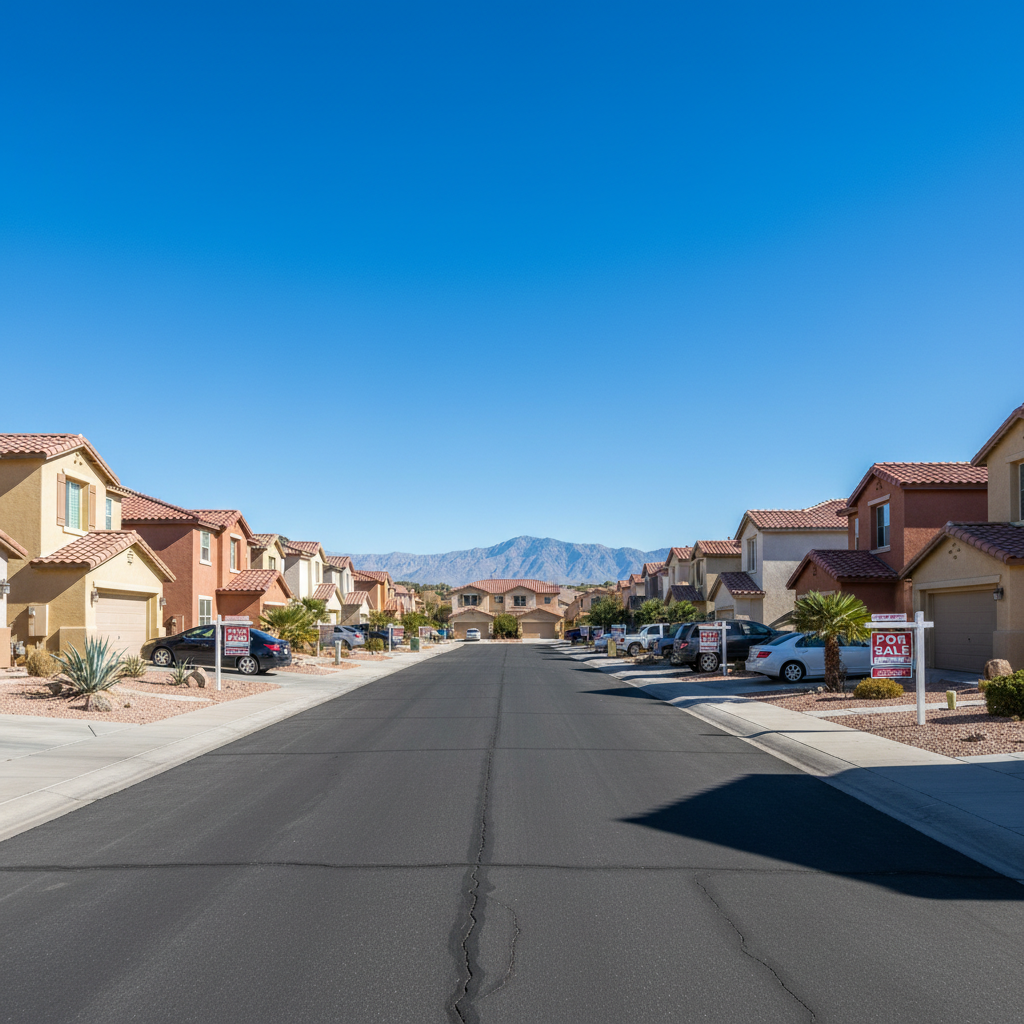
The gradual pace of rate cuts may aggravate the existing Las Vegas shortage of inventory, particularly as many homeowners who refinanced at low rates during the pandemic may be reluctant to sell. The shortage of inventory in the market may well continue pushing prices higher, at least in the most desirable neighborhoods.
Home Prices: Las Vegas home prices have shown a consistent rise in home prices, driven by demand from local and out-of-state purchasers. As long as interest rates are high, sellers might not be willing to cut prices, which will cause long-term upward pressure in home prices.
Shortages in Inventory: With expensive borrowing, most homeowners who already own aren’t going to sell since they would not want to part with their low interest rates. This will tend to continue keeping shortages in inventory levels in the market place, thus further reducing supply and maintaining prices at high levels.
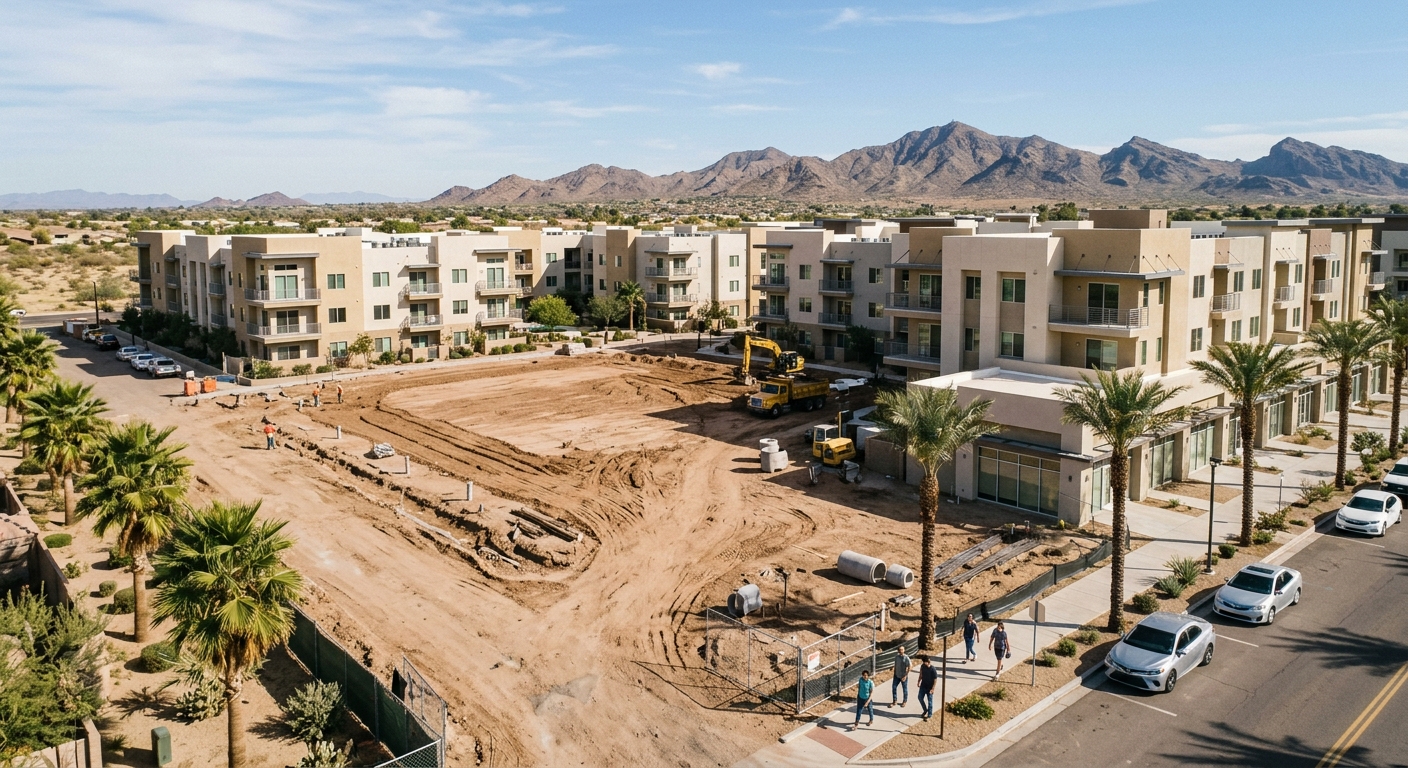
New Building: It will also be more expensive for Las Vegas developers to borrow money in order to construct new homes as a result of delay or retrenchment in building new houses. Although the demand is good for housing, the increased cost of materials and labor and excessive rates of borrowing will keep new building coming into the market at a slower rate than they are needed.
3. Investment Activity
Las Vegas real estate investors are watching closely to the trend since delayed interest rate cuts mean less for investment yields. With expensive borrowing, financial viability for buying and owning rental houses becomes problematic.
Rental Market: Demand for rental housing in Las Vegas will continue to be strong, particularly as would-be homebuyers are priced out of the market. Investors in single-family rental houses can expect consistent rent growth due to ongoing demand from those who cannot afford to buy homes.
Commercial Real Estate: Commercial property in Las Vegas would also feel the pinch. Increased interest rates make it more costly to finance commercial property, thus slowing growth in this industry. Office and retail buildings would be most affected by reduced-than-projected demand since companies postpone plans to expand.
Long-Term Investment Strategies: Investors who had been waiting for falling interest rates in order to finance new acquisitions would need to modify their strategies. Increased financing costs can reduce profitability, and it would be harder to identify good returns on new property investment. Yet there are still investors who would find opportunities within the rental business since demand for homes is still so much greater than supply.
4. Regional Economic Impact
Besides the housing sector, other areas of the Las Vegas economy will also be affected by ongoing high interest rates. Hospitality, tourism, and entertainment are areas that have characterized the Las Vegas economy for a very long time, and higher borrowing costs can affect consumer spending as well as business investment.
Consumer Spending and Tourism: Las Vegas is a tourist town, and increased interest rates may reduce discretionary spending, which would hurt hospitality firms. Travelers with higher costs in their home states might spend less on the road or look for places with cheaper prices.
Business Investment: Businesses looking to expand or enhance facilities will delay projects since financing will be more expensive. This could result in lower growth for retail, tech, and manufacturing sectors that have been looking to establish a stronger presence in the city.
Conclusion
The Atlanta Fed’s forecast of only one rate cut in 2025 is going to have far-reaching effects on the Las Vegas housing market and overall economy. More expensive lending will continue to put homeownership out of reach, and restrict the number of houses on the market as existing homeowners will not be willing to sacrifice low-mortgage rates. Housing and construction development will also fall as lending is more expensive. The rental market in Las Vegas, however, will continue to be strong as potential buyers are priced out of range.
As the year 2025 continues on, Las Vegas real estate brokers, investors, and future homeowners will have to be adaptable enough to operate within the fluctuating environment of increasing interest rates. Though the real estate market can plateau for the moment, the eventual long-term trends will intervene and direct the city’s real estate scene.