- calendar_today August 28, 2025
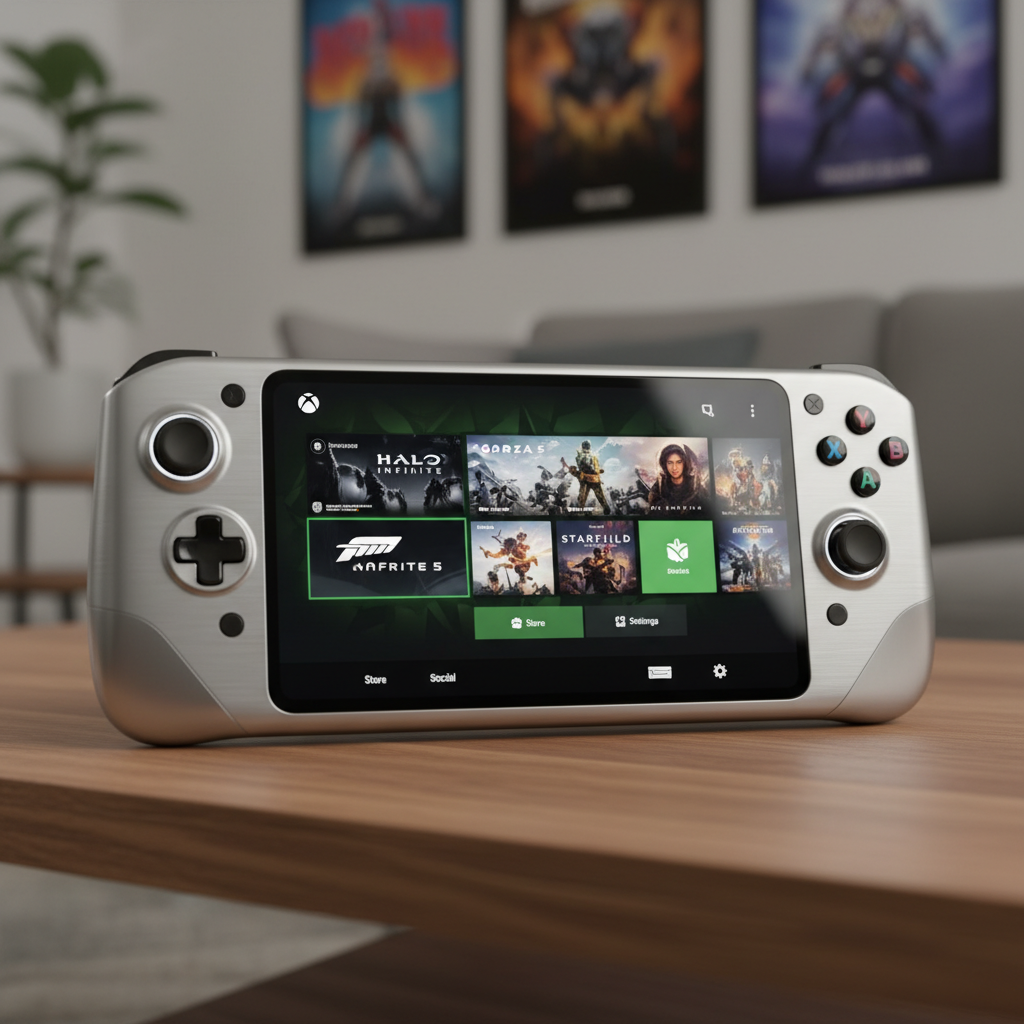
Microsoft increases its handheld gaming presence by releasing an Xbox-branded user interface that operates exclusively on portable Windows devices. Microsoft’s new handheld device collaboration with Asus will feature the launch of the ROG Xbox Ally user interface. Instead of the desktop-and-taskbar layout found in standard Windows environments this new interface presents a full-screen tile-based system designed for controller and touchscreen use.
Valve’s Steam Deck running SteamOS as a Linux-based platform has primarily defined the handheld gaming market up to this point. Proton acts as a compatibility layer that enables SteamOS to run Windows games and has undergone consistent enhancements since its launch. Proton has become sufficiently powerful to manage many games which enables users to play multiple popular Windows titles without needing to install Windows.
The Steam Deck’s main attraction lies in its game-focused user interface paired with a resource-efficient operating system. SteamOS functions as a partial Windows alternative but continues to encounter compatibility constraints. That’s where Microsoft sees an opportunity. The company aims to merge extensive Windows software compatibility with an Xbox UI overlay to deliver an accessible console-like experience on handheld devices.
The new interface will debut on the ROG Xbox Ally before expanding to additional Ally devices according to Microsoft. Microsoft plans to extend this UI to additional Windows handheld devices beginning next year. The connection between this development and Microsoft’s internal “Windows Handheld Mode” project from 2022 which debuted at a hackathon remains uncertain. The project identified Windows operating system problems on handheld devices including inadequate touch performance and restricted controller support and recommended an interface redesign to address these issues.
Performance enhancements constitute a major aspect of the narrative. The redesigned Xbox interface reduces RAM usage by several gigabytes while lowering energy consumption to release system resources for gaming applications. Devices which depend on battery power and need maximum performance benefit significantly from this improvement. The new Xbox interface eliminates Asus’ Armoury Crate requirement which functioned as a bridge between desktop Windows and handheld modes.
Microsoft continues to maintain elements of the traditional desktop experience alongside its new changes. Users retain the ability to access the complete Windows interface at their discretion even though it will not serve as the automatic setting. The hybrid system provides players with an optimized gaming interface alongside uninterrupted access to complete PC capabilities when required.
Valve still works to enhance SteamOS and Proton while developing these platforms. Gradually these tools enabled additional users to play Windows games without requiring Windows operating system. The SteamOS platform has grown beyond its initial Steam Deck use case and now extends support to other handheld devices made by Asus and other manufacturers. The gaming industry sees a minimal reduction in Windows requirement when Proton and Wine reach better performance levels. Windows’ declining dominance in the market shows through Linux’s notable market share rise that exceeded 4% in the previous year.
Microsoft has maintained a slow response to the increasing popularity of handheld gaming while dedicating its recent endeavors to AI and security instead of gaming improvements. The market performance of Steam Deck prompted Microsoft to respond. Microsoft now presents SteamOS a competitor with its handheld-compatible Xbox UI which boosts Windows performance on small gaming systems. The effectiveness of Microsoft’s new strategy in challenging Valve’s established lead is yet to be determined although this development indicates Microsoft’s commitment to participating in the growing portable gaming industry.