- calendar_today August 13, 2025
In 2025, Las Vegas is proving there’s more to its economy than bright lights and blackjack. The city is undergoing a commercial real estate transformation that reflects its post-pandemic resilience and diversification strategy. As tourism rebounds and new industries move in, Southern Nevada is emerging as a dynamic real estate market—where industrial parks and multifamily housing matter just as much as casino resorts.
From downtown revitalization to warehouse expansions in North Las Vegas, the commercial real estate (CRE) story here is not just about entertainment—it’s about evolution.
Population Growth Fuels Suburban and CRE Expansion
Las Vegas remains one of the fastest-growing metro areas in the U.S., with the population surpassing 2.4 million in Clark County by early 2025, according to the Nevada State Demographer. Much of this growth stems from California transplants and retirees seeking affordability and sunshine.
This migration fuels demand across multifamily housing, healthcare facilities, logistics centers, and service-based retail. Suburbs like Henderson, Summerlin, and North Las Vegas are absorbing both residential and commercial development as local infrastructure expands.
Industrial Real Estate: A Logistics Powerhouse Emerges
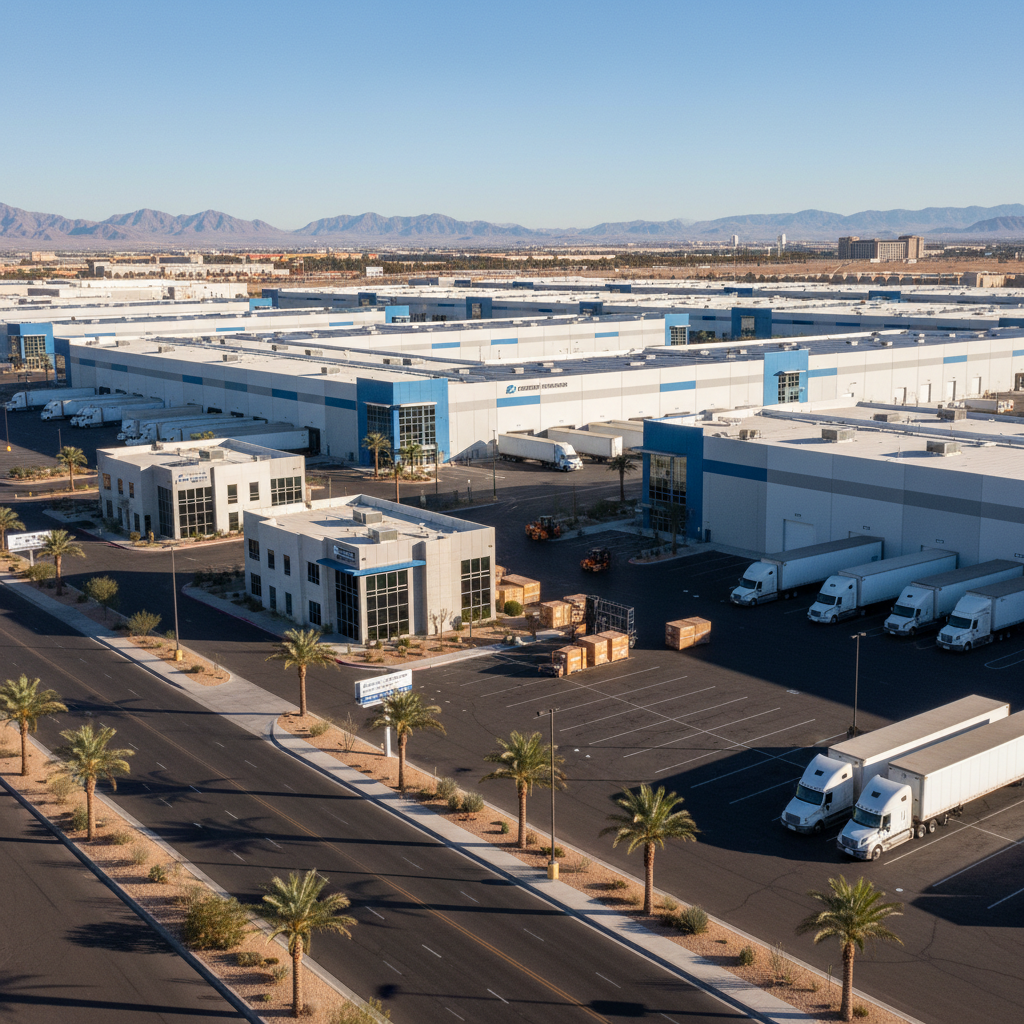
In 2025, the industrial sector is leading Las Vegas’ CRE performance. Warehouses, fulfillment centers, and data hubs are rising across North Las Vegas and the I-15 corridor, thanks to Nevada’s business-friendly tax laws, land availability, and geographic proximity to California and Arizona markets.
According to Cushman & Wakefield, Las Vegas industrial vacancy remained below 4% in early 2025, with over 5 million square feet under construction, much of it pre-leased. Tenants range from e-commerce giants to last-mile delivery operators and food distribution firms.
Additionally, interest in data centers is growing due to low power costs and state-level support for tech infrastructure. With the shift in global supply chains, Las Vegas is positioning itself as a southwestern logistics hub.
Multifamily: A Resilient Asset Amid Rising Costs
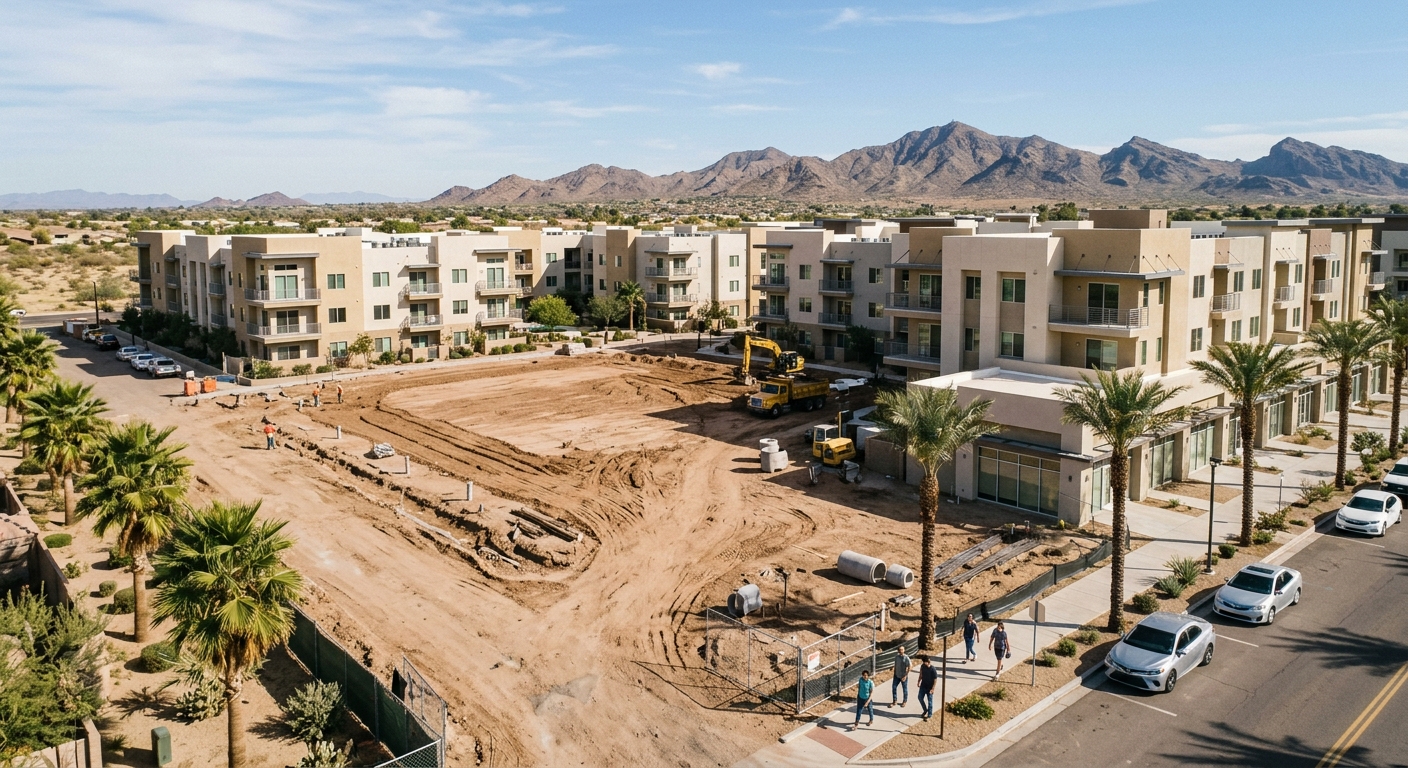
With home prices and mortgage rates still elevated, the multifamily sector continues to thrive. Renters are flooding into well-located apartment complexes, particularly in Henderson, Centennial Hills, and the western reaches of Summerlin.
Occupancy rates remain above 94%, and rent growth is steady—especially for Class B and affordable units. Developers are capitalizing on land availability by launching garden-style and mid-rise projects, often with proximity to new retail and transit corridors.
2025 also sees the emergence of build-to-rent (BTR) communities in the Vegas Valley, appealing to families priced out of homeownership but looking for suburban amenities.
Office Market: Mixed Results in a Hybrid Era
The Las Vegas office market is recovering unevenly. While traditional downtown office space is still facing elevated vacancy (above 20%), certain pockets—especially flex office in suburban nodes—are gaining traction.
The medical office sector is thriving, driven by expansions from UMC, Sunrise Hospital, and other healthcare providers keeping pace with a growing senior population. Meanwhile, co-working and shared office spaces in areas like Summerlin and Green Valley are appealing to remote workers and startups who need flexibility.
Companies in tech, education, and back-office support services are cautiously expanding footprints—but with a strong preference for modern, Class A spaces with wellness and sustainability features.
Retail: Entertainment Anchors and Neighborhood Revival
Retail in Las Vegas is alive and adapting, with trends reflecting both the Strip’s global appeal and local needs. Experiential retail is booming along Las Vegas Boulevard, with immersive attractions, live events, and dining concepts driving foot traffic.
Off-Strip, neighborhood shopping centers anchored by grocers, fitness studios, and medical services are seeing strong tenant demand. In places like Southwest Las Vegas and Spring Valley, developers are blending residential and retail into mixed-use hubs.
2025 also marks a significant recovery in restaurant and bar leasing, thanks to increased tourist spending and a reinvigorated local economy. Projects like UnCommons and Durango Station are redefining suburban lifestyle retail with high design and curated experiences.
Hospitality and Tourism Continue to Drive Demand
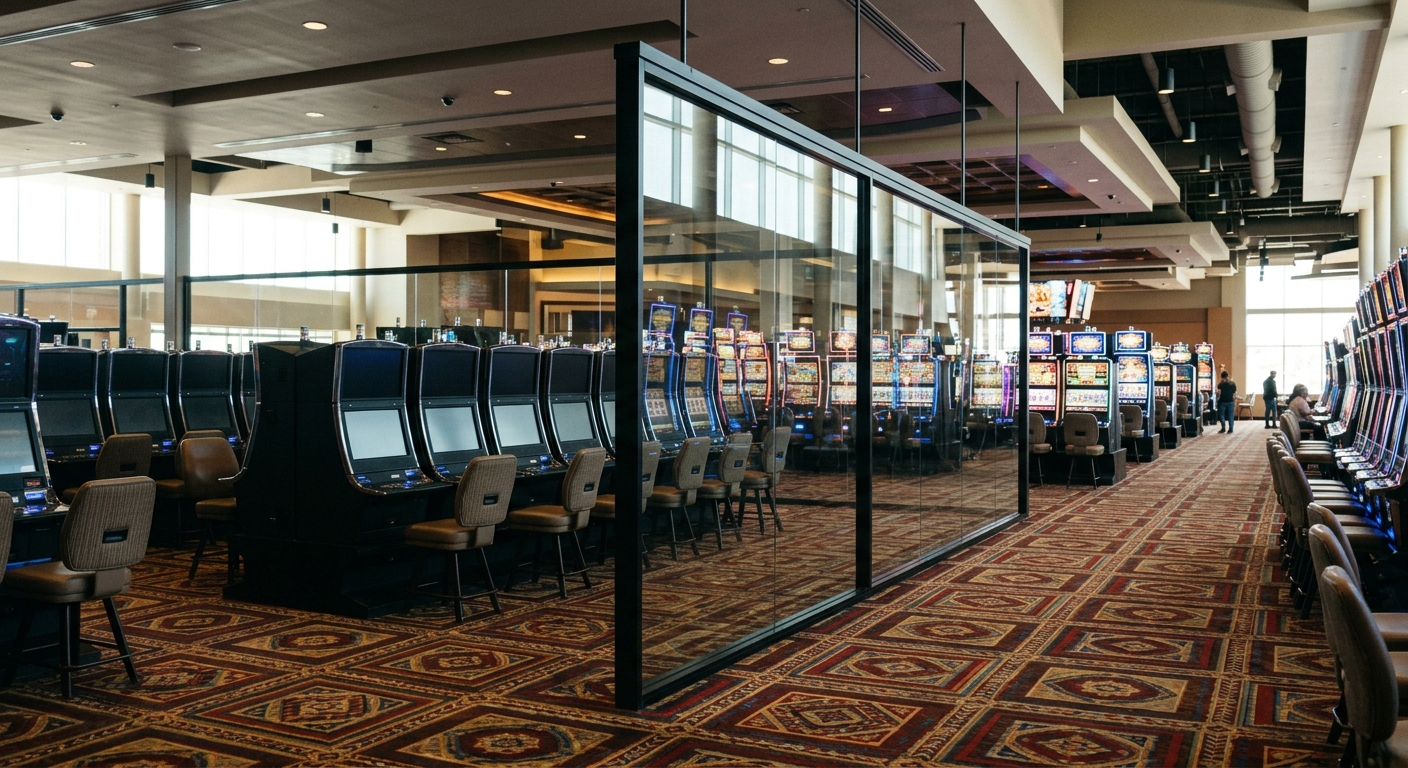
Tourism remains the heartbeat of Las Vegas, and in 2025, it’s beating stronger than ever. With over 41 million visitors projected this year, resort development and hospitality-related CRE are experiencing a mini-boom.
The Fontainebleau Las Vegas opened in late 2023 and has helped spark interest in north Strip development, while Harry Reid International Airport’s expanded terminal has enhanced connectivity for international travelers. Hotels are not just recovering occupancy; many are upgrading and reinvesting in adjacent retail, convention, and dining spaces.
Short-term rental regulations are more clearly defined in 2025, which has boosted investor confidence and increased mixed-use development geared toward part-time visitors and digital nomads.
Sports and Entertainment: New CRE Catalysts
Professional sports are now a significant driver of CRE in Las Vegas. The success of the Vegas Golden Knights, Las Vegas Raiders, and the arrival of Major League Baseball’s Athletics (expected to open their stadium by 2028) are sparking development around Allegiant Stadium and beyond.
The MSG Sphere, now operating near The Venetian, is drawing global attention and creating spillover demand for retail, hotel, and event-related CRE.
These venues are not only boosting tourism—they’re generating year-round foot traffic and making Las Vegas a true multi-sport city, which is great news for nearby commercial developments.
Green Building and Sustainability in the Desert
Nevada’s harsh climate has encouraged innovative responses in CRE. In 2025, sustainability is no longer optional—it’s embedded in most new projects. Developers are embracing LEED certifications, solar integration, and water-smart landscaping to meet tenant demand and city requirements.
Projects like Matter Park @ West Henderson and Evora are integrating EV infrastructure, green roofs, and high-efficiency HVAC systems, aligning with the city’s environmental priorities.
Additionally, Clark County’s development code encourages mixed-use zoning and transit connectivity, pushing CRE toward a more sustainable, long-term model.
Government Incentives and Economic Tailwinds
Las Vegas and Nevada continue to attract outside investors with low tax burdens, no corporate income tax, and pro-business policies. The Nevada Governor’s Office of Economic Development (GOED) is actively courting industries like clean energy, manufacturing, and film production, all of which have CRE implications.
Opportunity Zones remain active in parts of downtown Las Vegas and North Las Vegas, where investors are pursuing tax-advantaged mixed-use and affordable housing projects.
Outlook: Las Vegas CRE Bets on Balance and Growth
Las Vegas is no longer just a casino-driven economy—it’s a diversified, resilient commercial real estate market. From e-commerce warehouses to suburban multifamily, from sports venues to boutique retail, 2025 reflects a city capitalizing on both legacy strengths and emerging trends.
While challenges like water scarcity and rising construction costs persist, Las Vegas is adapting smartly. The house doesn’t always win—but in today’s real estate game, investors betting on Las Vegas are playing a strong hand.