- calendar_today August 20, 2026
Las Vegas, NV — As financial pressures reshape the landscape of collegiate sports, institutions across Las Vegas are implementing novel methods to increase college athletic revenue, ensuring sustainability and competitiveness in an era of rising costs and changing income streams.
Shifting Priorities in Athletic Department Finance
In 2024, NCAA Division I programs nationwide generated a record $20.5 billion, but even powerhouse athletic departments reported financial losses despite this impressive figure. Effective athletic department finance is now paramount for Las Vegas universities aiming to keep pace both regionally and nationally. Institutions are moving beyond traditional expenditures on coaching salaries and facility upgrades, instead focusing on supporting athletes through endorsement opportunities and innovative funding.
Public-Private Partnerships Spark Growth
One of the most significant developments is the rise of public private partnerships. Leading Las Vegas colleges are collaborating with private entities to invest in mixed use development near campus sports facilities. These ventures range from new entertainment districts to hospitality projects, which drive revenue and create new experiences for fans. By working with local developers and businesses, colleges capitalize on shared investments, further diversifying their income streams while benefiting the broader regional economy.
Name, Image, and Likeness: A New Era for Athletes
With revised NCAA regulations, name image likeness agreements have become integral to athletic revenue strategy. Las Vegas universities now partner with brands and sponsors to facilitate NIL deals for student-athletes, establishing new roles within compliance and marketing divisions. This approach also bolsters college sports marketing by enhancing the visibility of programs and athletes, strengthening institutional brands at a local and national level.
Stadium Renovations and Enhanced Fan Experience
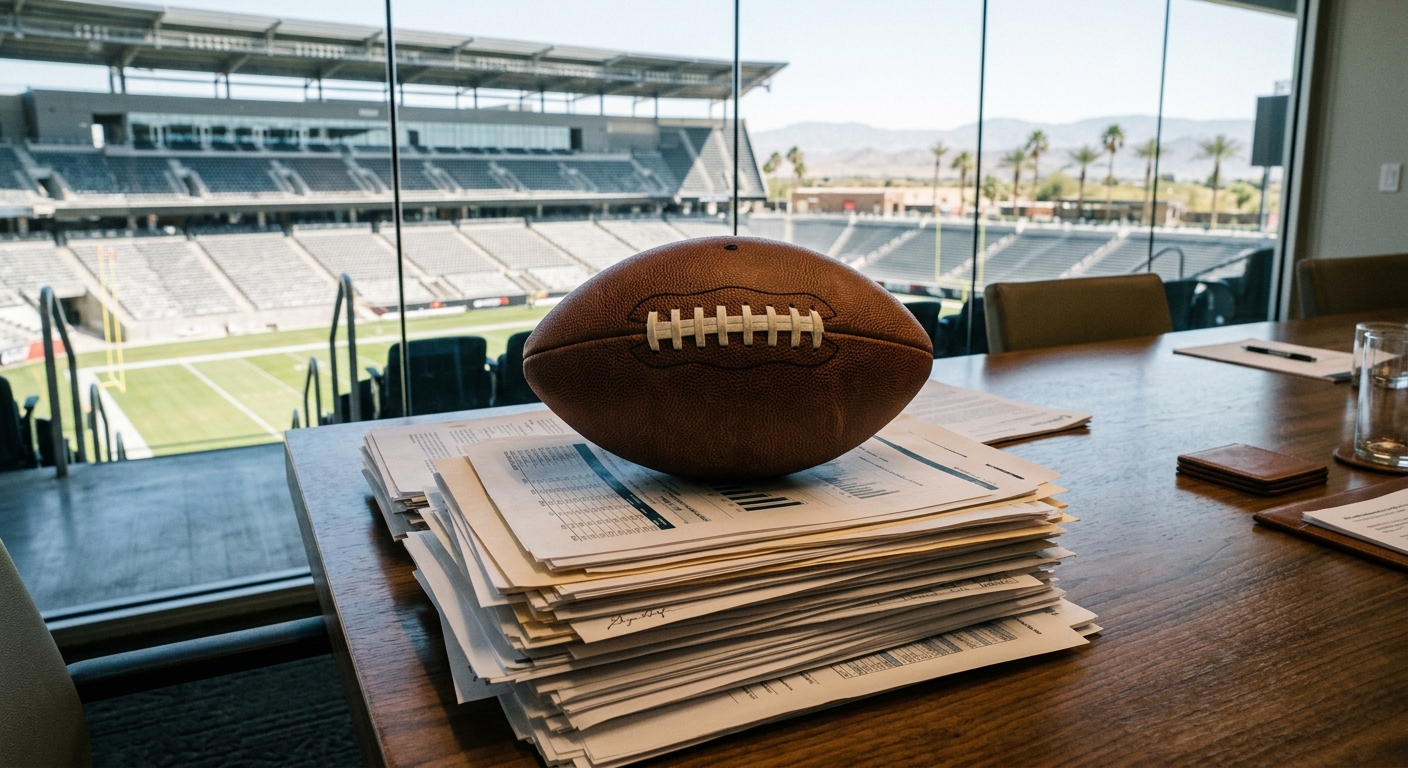
Programs in the region are investing in comprehensive stadium renovations tailored to modernize venues while optimizing profitability. Upgrades not only improve athlete facilities but also introduce premium fan amenities such as hospitality suites and retail outlets. These enhancements, often realized through public-private funding models, encourage repeat attendance and generate revenue far beyond ticket sales.
Corporate Sponsorships and Media Rights Revenue
To mitigate budget shortfalls, Las Vegas institutions are expanding corporate sponsorships, including jersey patch deals that mirror those in professional sports. Uniforms featuring corporate logos, enhanced branding campaigns, and other marketing opportunities have become commonplace. Additionally, schools are negotiating lucrative partnerships to boost media rights revenue, ensuring broadcasts and streaming packages provide stable, long-term funding to athletic programs.
Navigating Ticket Pricing and Fan Loyalty
While financial strategies diversify, concerns about ticket pricing persist. Higher prices necessary to fund renovations and operations can challenge long-time supporters. However, some colleges in Las Vegas report that demand remains robust, largely due to investments in improved game-day experiences and community engagement. Maintaining accessibility and loyalty among fans is a principal consideration as pricing models evolve.
Business Models and University Funding Strategies
The adoption of new university funding strategies reflects the professionalization of collegiate athletics. Some athletic departments are creating nonprofit arms or restructuring as holding companies to streamline revenue management and maximize tax efficiencies. These business-oriented approaches enable colleges in Las Vegas to remain competitive and sustainable, supporting both athletic and academic missions.
Looking Forward: Sustainability Through Innovation
Las Vegas continues to emerge as a hub for collegiate sports innovation, blending tradition with forward-thinking financial models. By leveraging college athletic revenue planning—from mixed use development and public private partnerships to media rights revenue and NIL opportunities—the region’s universities are positioning themselves for long-term success. As these strategies take hold, their impact will resonate throughout both the local community and the wider world of college athletics.