- calendar_today August 8, 2025
The Las Vegas Valley, encompassing Las Vegas, Henderson, and surrounding suburbs, continues to be one of the fastest-growing U.S. metros, with an estimated population of 2.42 million in 2024. In early 2025, listings surged drastically, inventory jumped by 42–78% year-over-year, signaling a shift from a frenetic seller’s market toward balance. Even as transactions slow, prices remain resilient near record highs, reflecting continued scarcity and steady demand.
Although mortgage rates remain elevated—hovering around 6–7%—a significant downturn is not expected in 2025. Many buyers, previously priced out, remain cautious; others seize opportunities as sellers lock in gains. The impact of rates continues to shape affordability, particularly for first-time buyers and mid-income households.
Home Prices Holding Firm with Moderate Growth
After a strong run in 2024, Las Vegas home prices rose about 5–5.5% year-over-year entering 2025. Median single-family home prices have reached around $480,000, reflecting moderate annual growth of 2.5–3.5%, especially in Las Vegas proper and Henderson. Zillow data shows a median value of approximately $435,800—up 1.8% over the past year—with most homes selling within 28 days on market.
Inventory Swells and the Lock‑In Effect
Inventory across southern Nevada increased to roughly 3–4 months in 2025—a substantial climb from under 2 months in prior years. Much of this stems from retirees and investors putting properties on the market amid rate uncertainty and seasonal migration. Nonetheless, many current homeowners remain reluctant to list due to low mortgage rates secured in earlier years, damping supply replenishment.
Buyers Favouring Suburban and Secondary Neighborhoods
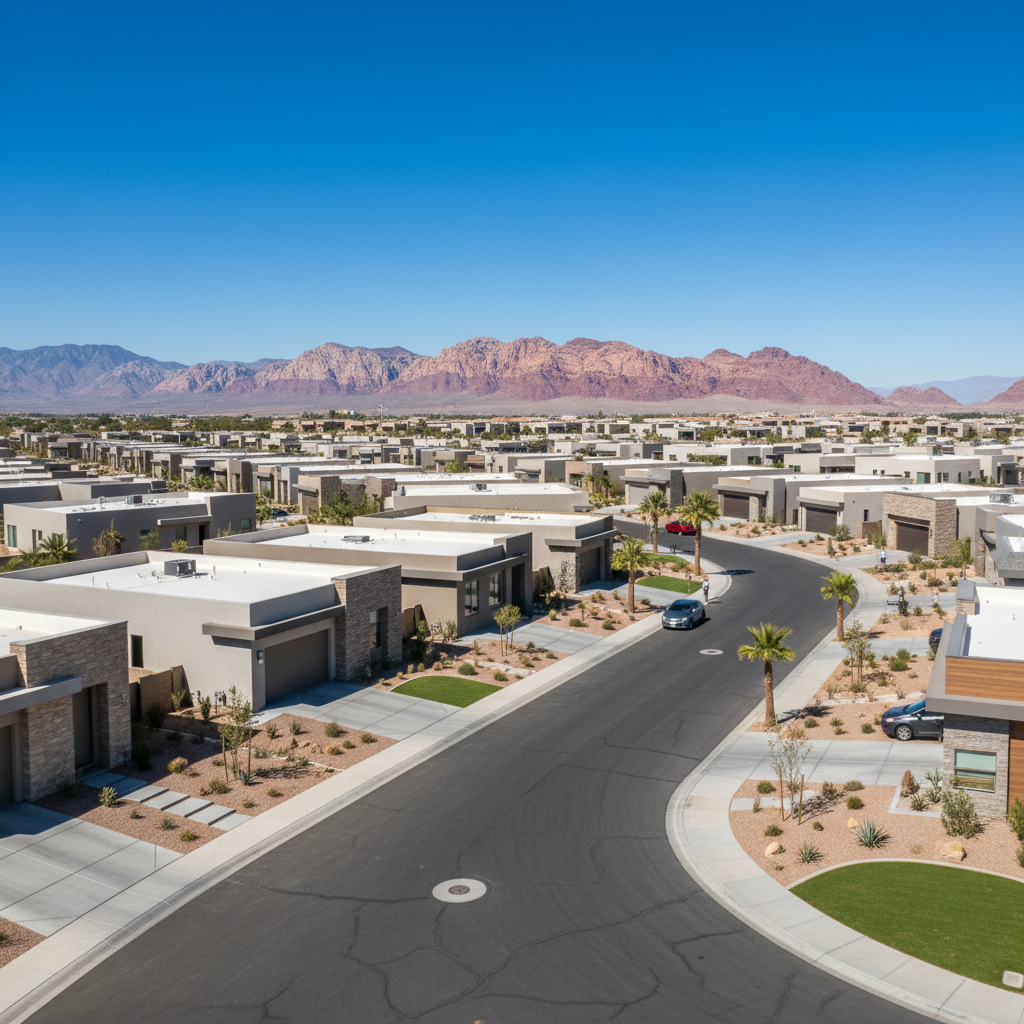
As urban pricing strengthens, suburban towns such as Henderson, Summerlin, and emerging neighborhoods like East Las Vegas offer stronger value. Median home prices in East Las Vegas hover around $317,500, while Angel Park Lindell averages roughly $305,000—accessible options for budget-conscious buyers. Mixed-use developments like UnCommons and Downtown Summerlin continue attracting renters and new homeowners looking for walkable amenities and modern townhome options.
Investor Participation Still High, Though Slowing
Institutional investors still account for approximately 23% of single-family home sales in the Las Vegas Valley, contributing significantly to investor-dominated neighborhoods and build-to-rent communities. While investor demand is moderating compared with the highs of the pandemic era, developers and funds continue to see long-term rental value in Clark County, generating sustained demand from buy-and-hold actors.
Rental Market Cools, But Remains Tight
Rents in Las Vegas averaged around $1,794 per month in mid‑2025—a modest 0.7% year-over-year increase, according to Zillow’s rent index. However, rental properties are now staying on the market for longer—median time to lease has stretched to 21–28 days compared to just 5–7 days previously. Slower tenant turnover and priced-out newcomers may slow rent acceleration further in 2025.
Infrastructure Growth Boosts Residential Investment
Major projects like the Warner Bros studio expansion ($8.5B), Sony Pictures development in Summerlin, and the Brightline West high-speed rail corridor are redefining Las Vegas’s economic future—and supporting housing demand. Symphony Park’s cultural and residential growth and the expansion of the Las Vegas Arts District reflect ongoing efforts to diversify the city’s urban assets and attract higher-value residents and year-round activity.
Climate, Policy, and Development Pressures
Las Vegas continues grappling with affordability and regulatory complexity. Federal-level interest in unlocking public land for development—via proposals like AEI’s “Freedom Cities” concept—could reshape the region’s housing potential, although environmental and governance concerns remain unresolved. At the local level, discussions around rent stabilization and affordable housing are emerging, with proposals to limit rent increases for large landlords drawing attention in state housing policy circles.
What It Means for Buyers, Sellers, and Investors
Buyers
Greater inventory offers more leverage—but affordability remains challenging. Buyers in mid-price bands or first-time segments should monitor mortgage shifts and stay alert to new listings for negotiation advantages.
Sellers
Properties in desirable locations still command buyer interest—especially well-priced homes in suburban and walkable neighborhoods. However, realistic pricing and willingness to negotiate may be necessary amid growing listings and extended marketing times.
Investors
Single-family rentals and build-to-rent projects in high-demand areas like Henderson and Summerlin continue to offer steady returns—though occupancy timelines are lengthening and yields have softened as rent growth cools.
A Market in Transition with Enduring Strength
Las Vegas’s 2025 housing market depicts a city in cautious transition: inventory is increasing, prices are stabilizing rather than surging, and demand is sharpening its focus on value-driven locations. While some homeowners and investors use caution as a signal to wait, others see opportunity in a more balanced market. Looking ahead, much will hinge on interest rate trajectories, development pace, and the city’s ability to adapt to changing demographic dynamics.