- calendar_today August 31, 2025
WhatsApp is finally introducing ads — the company’s first paid-for messages since its launch. Getty Images)For the first time since its launch back in 2009, one of the most popular apps in the world is bringing ads. And no, it’s not Facebook. WhatsApp, the free messaging service, is taking the first big step to join the advertising party. And the company says that its privacy and security promise won’t be affected.
In a way, this isn’t surprising — after all, Meta (Facebook’s parent company) owns WhatsApp. It has to bring ads. And since WhatsApp has long been one of the most popular messaging apps on the planet, this should have been obvious. It’s been widely rumored for years that ads were coming to WhatsApp, and while users are complaining, most have accepted it. And now it’s finally happening.
What’s the Fuss About?
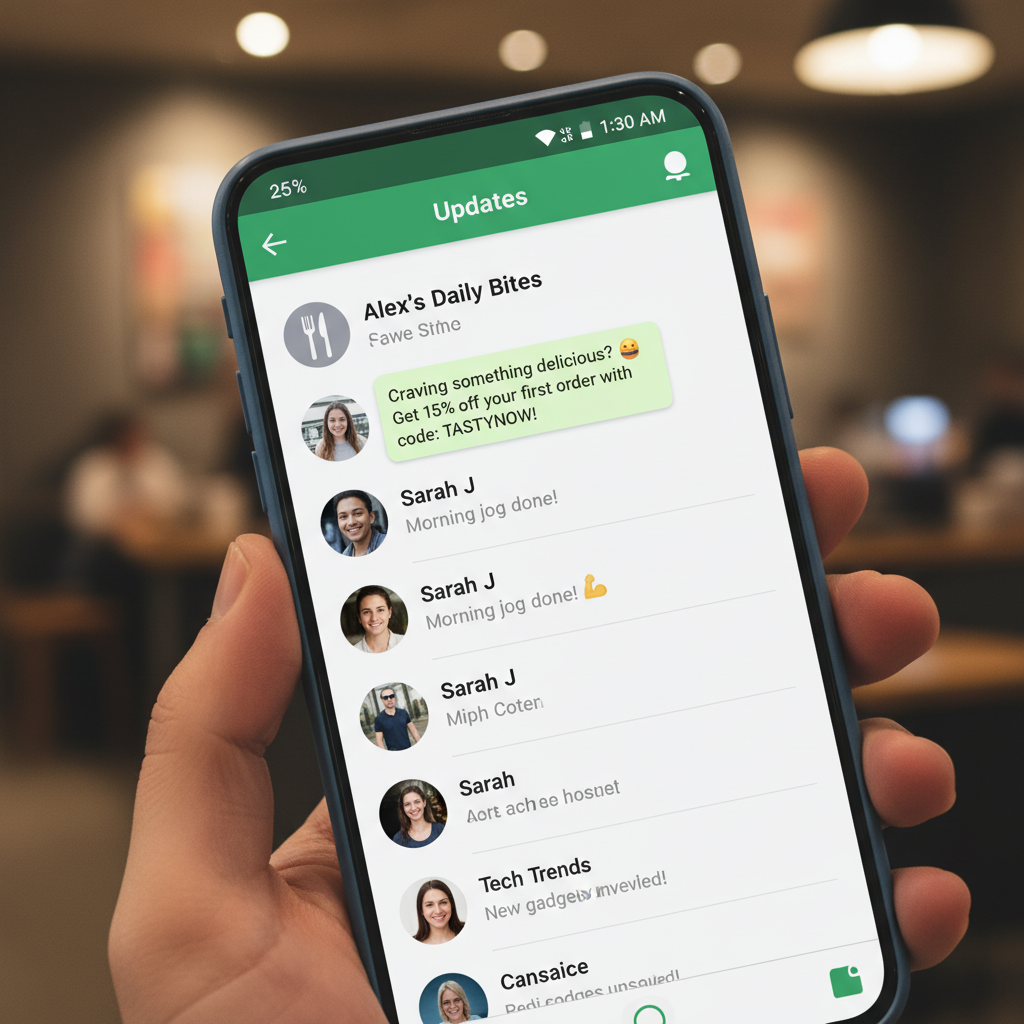
The new ads are coming to the “Updates” tab. That’s the part of WhatsApp where you see your friends’ statuses and channels that you follow. These will be populated with ads — it’s happening right now, according to a blog post by WhatsApp. The company insists that these ads won’t come in the middle of conversations. So your private chats and groups will remain ad-free. WhatsApp says it has considered a way to not interrupt people when they are chatting. That’s probably why it isn’t adding ads to those sections.
But if you don’t see those ads in the update tab, you might wonder if they exist at all. Meta claims that 1.5 billion people visit the updates tab every day, making it a lucrative target for advertisers. If you don’t use that section of the app, you might not see the new ads. But if you’re an avid user of the status and channels, you’re going to see them pretty soon.
What’s This New Ad Model Like?
There are three types of ads coming to WhatsApp. First, you’ll see new advertisements in the status tab. This is where you can share your status updates for 24 hours, which could be a picture, video, or even just text. It’s the place where you see your friends’ updates, and those will still be there. However, you’ll also see ads. Users will be able to message the advertiser from the advertisement. That’s the company’s way of enabling a direct-to-consumer marketing channel. Businesses will also be able to pay to be featured in channels. Users can subscribe to a channel to get exclusive access to new updates. It’s a way for organizations, content creators, and brands to build audiences without depending on other apps or promotion. That’s what Meta says, anyway.
And it’s a paid subscription. Users can pay a subscription to get access to new updates from a business. For example, a cooking channel can charge a monthly fee for exclusive recipes and updates. That’s a way for creators to make money from the app, and another way for Meta to make some money too.
This comes as part of a larger effort to make WhatsApp a business-friendly platform. A company called Status mentioned that this is a “natural evolution” for WhatsApp. She cited the Business Platform and click-to-WhatsApp ads on Facebook and Instagram as proof. Both have been popular among companies, so it makes sense to introduce ads.
Is Privacy in Danger?
That’s a valid question. WhatsApp has always prided itself on being one of the safest messaging apps. There are rumors that Meta is also using user data for these ads, as seen on Facebook and Instagram. So it’s natural to be concerned about the new changes.
Meta promises that this won’t happen. It says that the company won’t use your messages to show you ads. It’ll rely on your usage in status and channels. For example, it will know what kind of channels you follow and what you’re interested in. And how you engage with the content. If you click on an ad, you’re probably a prime candidate to see more ads. This will all help to determine which ads you see.
There’s also an option to link your account to Meta’s Account Center. It’s an optional part of the app. When you use it, it lets WhatsApp use cross-platform preferences. That means that your activity on Facebook or Instagram is connected to your experience on WhatsApp. The option is off by default and can be disabled whenever you want.
The company will also let users manage their ad preferences. You can see why a specific ad was shown to you, hide an ad, or report it. You can also block an advertiser from showing you ads again.
In fact, WhatsApp has long said that it won’t add ads to the app. That’s why the company is already making money through the WhatsApp Business Platform. And Facebook/Instagram ads that take you to WhatsApp. And last month, CEO Mark Zuckerberg said that business messaging is growing. He also said that WhatsApp could make more money from its huge user base.
This isn’t the only company to move in this direction. Discord added ads in 2024. And Reddit has increased its advertising opportunities, too. It helped the company have its first profitable quarter. With almost all other major platforms heavily leaning on advertising, this move is hardly surprising.
WhatsApp has long been one of the few big players that have remained free. But with 98% of Meta’s revenue coming from advertising and the company investing $16 billion to buy the company in 2014, it was inevitable that this day would come.