
- calendar_today August 12, 2025
Sub-title:
Las Vegas Real Estate Market 2025: Betting on Growth Amid Uncertainty
Las Vegas is no stranger to reinvention, and in 2025, its housing market is quietly rewriting the odds. Amid a national cooling in home sales and buyer confidence, the city’s real estate sector is showing signs of strategic recalibration rather than decline.
According to the Greater Las Vegas Association of Realtors, median home prices have remained relatively stable year-over-year, settling around $425,000—a plateau that contrasts the wild volatility of the pandemic-era market. Inventory has grown modestly, but not enough to overwhelm demand. The result? A market that feels balanced, if not brisk.
A Different Kind of Demand Is Taking Shape
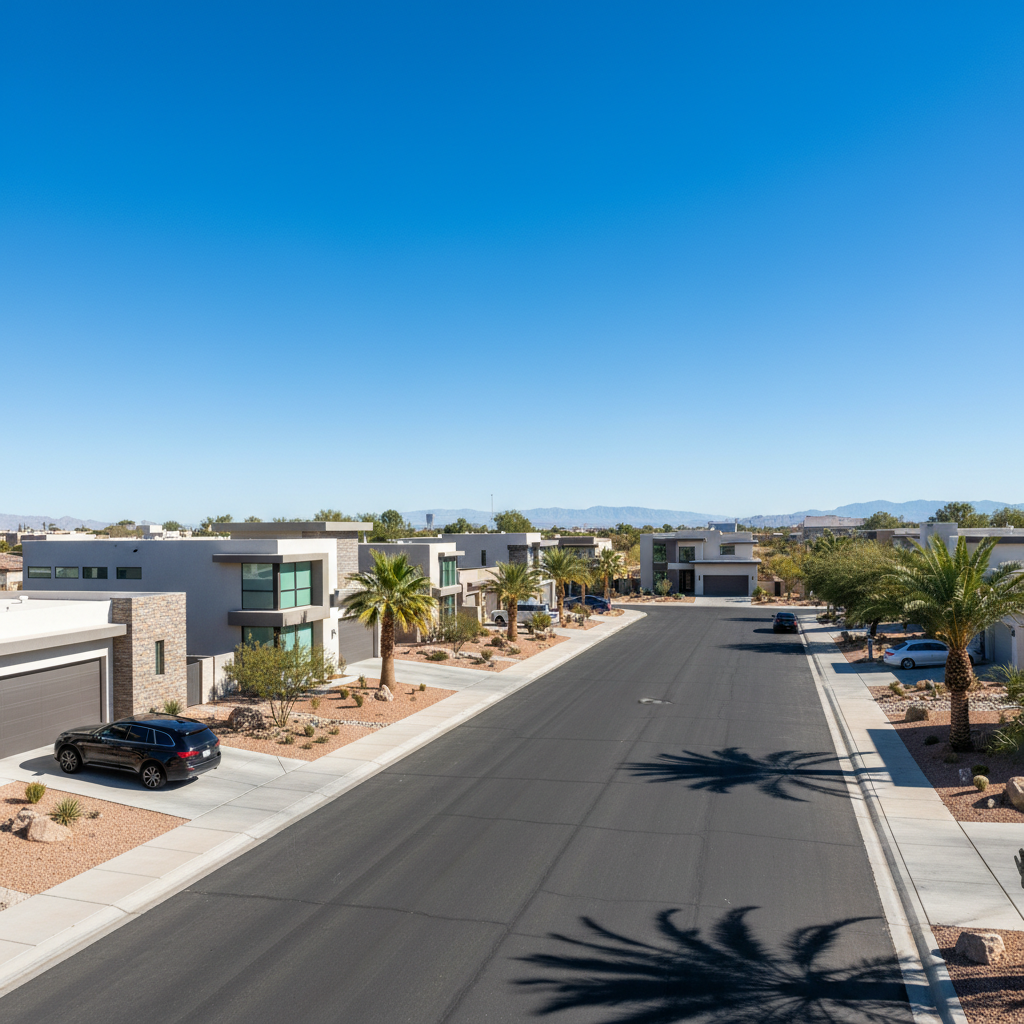
While luxury high-rises along the Strip still command attention, today’s buyers are increasingly drawn to the valley’s suburban neighborhoods. Areas like Summerlin, Henderson, and North Las Vegas continue to attract first-time buyers and retirees alike, reflecting broader demographic shifts. Families looking for affordable living with access to services are moving in from California, Arizona, and Texas, contributing to steady population growth across Clark County.
Remote work, though no longer novel, remains a quiet tailwind. Professionals priced out of West Coast metros are discovering that Las Vegas offers both lower costs and growing infrastructure. It’s not just about nightlife anymore—it’s about livability.
Rental Market Shows Stamina
In the rental space, demand has stayed resilient. Local property management firms report vacancy rates under 6%, and average monthly rents hover near $1,750—a figure that, while high compared to pre-2020 levels, reflects strong absorption and a steady tenant base.
Multifamily units are the current darlings of investors. New apartment developments in the southwest and northwest corridors of the city are drawing capital from out-of-state funds. Yet builders remain cautious, citing construction costs and municipal permitting timelines as limiting factors.
Commercial Property Faces a Mixed Outlook
Unlike residential, commercial real estate in Las Vegas remains in flux. Retail is rebounding in tourist zones, thanks to record-breaking visitor numbers in early 2025. The Las Vegas Convention Center and Allegiant Stadium continue to serve as economic engines, spurring interest in nearby mixed-use developments.
Office space, however, paints a murkier picture. Hybrid work policies persist, and vacancy rates in older downtown towers remain elevated. Coworking models and space reconfiguration are the themes for now, but the long-term demand for traditional office layouts remains uncertain.
The Strip Still Sets the Tone
Las Vegas’s unique identity as an entertainment capital continues to influence its housing cycle. Mega-projects like the Fontainebleau Las Vegas and MSG Sphere have economic ripple effects across employment, housing, and infrastructure. These developments inject confidence into local real estate sentiment, even as broader U.S. indicators remain tepid.
Real estate professionals point to an important distinction: while national headlines focus on price corrections and affordability crises, Las Vegas is experiencing a transition, one marked by tempered investor enthusiasm rather than fear.
Economic Watchpoints for the Rest of the Year
Key variables to monitor include inflation trends, interest rate adjustments, and tourism numbers. With the Federal Reserve maintaining rates between 4.25% and 4.5%, borrowing remains expensive. But Las Vegas’s relatively low property taxes and no state income tax provide a cushion.
Construction labor availability and water infrastructure also remain under scrutiny. Long-term growth depends on how the region addresses sustainability and resource planning in an environment still marked by drought conditions.


