- calendar_today August 10, 2025
OpenAI has introduced “Images in ChatGPT,” which allows users to create images during their ChatGPT conversations through an innovative new interface feature. The latest GPT-4o model powers this breakthrough, which lets users generate images during their chat interactions while pushing AI content creation capabilities forward.
The “Images in ChatGPT” feature is accessible to all ChatGPT users across all subscription levels, including Plus, Pro, Team, and free accounts, to enable broad access to advanced image generation features. The free tier users can make about three images daily, like DALL-E 3 users, but Taya Christianson from OpenAI said that these limits could change depending on demand. DALL-E users can access image creation with a specialized GPT model.
OpenAI’s research lead Gabriel Goh identified GPT-4o’s transformative capabilities as an “omnimodal” platform which processes a variety of data types including text, images, audio, and video. The most significant advancement comes from improved “binding” abilities, which resolve a frequent issue faced during AI image creation. The GPT-4o model successfully handles 15 to 20 objects without confusing their colors or shapes, whereas traditional models frequently fail to maintain proper object-attribute relationships.
The model demonstrates exceptional advancement through its enhanced text rendering capabilities. AI-generated images typically contain text that appears scrambled or meaningless. Goh elaborated on the extensive process of iteration, which spanned several months to achieve correctness. The team recognizes the challenges of perfect text rendering but has established a consistent performance that ensures text in images remains reliably usable.
The system employs an autoregressive design instead of the diffusion models commonly used in image generation technology. The autoregressive image generation method, which produces images in a left-to-right/top-to-bottom sequence, mirrors text generation and is believed to enhance text rendering and binding performance.
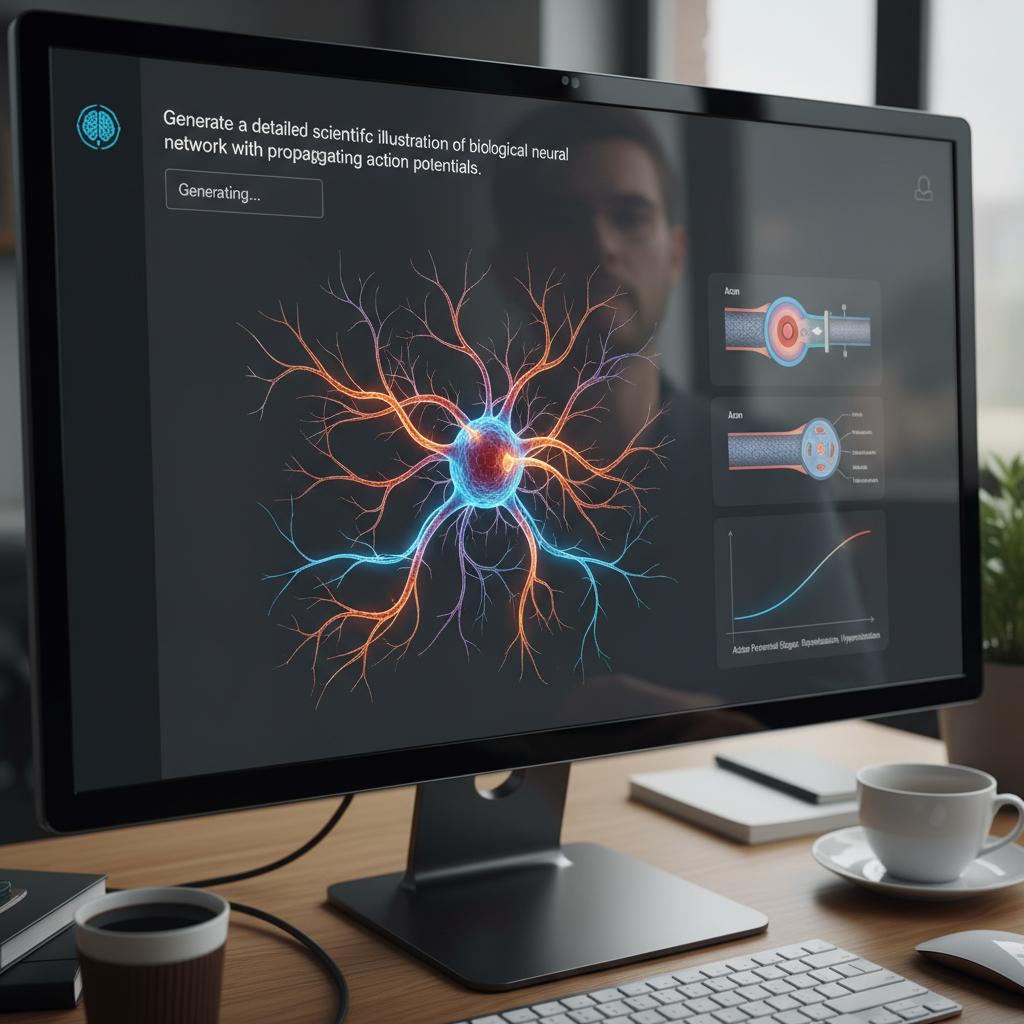
The briefing featured OpenAI demonstrating the system’s capabilities to produce scientific diagrams such as Newton’s prism experiment with exact labels along with multi-panel comics featuring uniform characters and dialogue, and informational posters containing precise text. The presentation included practical applications that demonstrated how to create transparent background images for stickers, restaurant menus, and logos.
Jackie Shannon, who leads multimodal product development at ChatGPT, highlighted how the system utilizes comprehensive world knowledge. She explained that she draws images constrained by her skill yet enhanced by the world knowledge she has gathered. With its world knowledge integration, you can request an image of Newton’s prism experiment, which will be delivered without requiring any preliminary explanation of the concept.
OpenAI maintains that the improvements in quality and capabilities of their image generation system make the longer processing time worthwhile. Shannon explained that despite the potential for latency improvements, the advanced quality and world knowledge of these images compensate for any extra waiting time.
Key Technological Advancements: Binding, Text Rendering, and Architectural Shifts
The GPT-4o model showcases major technological improvements with its “binding” capabilities, which enable precise depiction of intricate scenes containing multiple objects. Through extensive iterative development, the improved text rendering has been created to overcome a primary limitation of earlier AI image generators. The transition to autoregressive image generation from diffusion models is believed to enhance these technological advancements.
Safeguards and User Empowerment: Addressing Misuse and Ensuring Responsible AI
OpenAI emphasized the deployment of strong safety measures to address potential misuse concerns. The system features mechanisms to block sexual deepfake creation while stopping watermark removal and declining CSAM requests. All generated images will contain standard C2PA metadata, which identifies them as OpenAI creations despite the absence of visual watermarks. The company has developed internal tools specifically for verifying images.
The system has limitations, yet we maintain ongoing enhancements to our security measures, and this constitutes our initial step, as Shannon affirmed. Users receive ownership rights for all images created by ChatGPT and can use these images freely as long as they adhere to our established usage policies.
Through “Images in ChatGPT,” OpenAI boosts its flagship product’s capabilities and establishes new benchmarks for AI-driven image production while proactively tackling associated technological risks.